2026 Wellness Goals for Seniors: Simple Habits That Make a Big Difference
For your 2026 wellness goals, focus on simple habits that yield big results. Embrace regular physical activity like walking or yoga, and prioritize balanced nutrition with a variety of healthy foods. Stay hydrated by drinking water consistently and engaging in social activities to strengthen connections. Don’t forget to keep your mind sharp through puzzles and hobbies, and make time for regular health check-ups. Discover more ways to elevate your well-being and thrive as a senior.
Key Takeaways
- Incorporate regular physical activity, like walking or yoga, to enhance both physical health and mental well-being.
- Prioritize balanced nutrition by including a variety of fruits, vegetables, and whole grains to support overall health.
- Engage in cognitive exercises, such as puzzles or reading, to keep the mind sharp and reduce dementia risk.
- Cultivate strong social connections through volunteering or joining clubs for emotional support and community engagement.
- Schedule regular health check-ups to monitor health and address any early signs of cognitive decline.
Embracing Regular Physical Activity

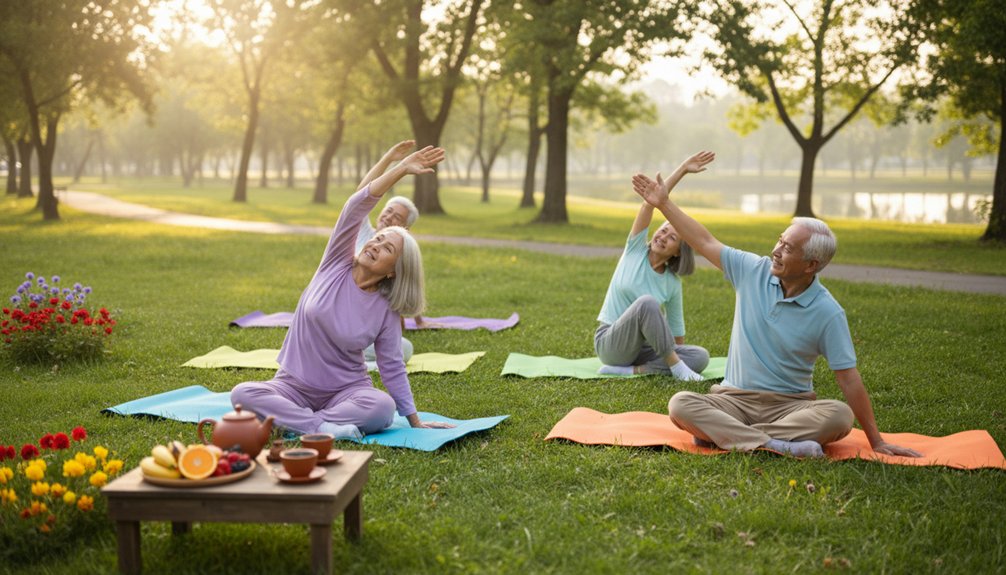
When you embrace regular physical activity, you not only boost your physical health but also enhance your mental well-being. Engaging in activities like walking, swimming, or yoga keeps your body active and your mind sharp.
You’ll find that these exercises improve your mood, reduce stress, and increase your energy levels. Plus, when you incorporate movement into your routine, you set a powerful example for others, inspiring them to join you on this journey. Gardening, for instance, can provide cognitive and emotional benefits that further enrich your wellness journey.
Consider organizing group activities in your community, such as walking clubs or fitness classes, to foster connection and support. Remember, every little bit counts—each step you take not only benefits you but also encourages others to prioritize their health and well-being.
Let’s uplift each other!
Prioritizing Balanced Nutrition
Prioritizing balanced nutrition is essential for maintaining ideal health as you age. It’s not just about filling your plate; it’s about nourishing your body and mind.
Focus on incorporating a variety of fruits, vegetables, whole grains, lean proteins, and healthy fats into your meals. By doing so, you’ll boost your energy levels and support your immune system. Research shows that adhering to the Mediterranean diet can help reduce Alzheimer’s risk and promote brain health as you age.
Consider meal planning to help you make nutritious choices and avoid unhealthy temptations. When you eat well, you set an example for others, inspiring friends and family to embrace healthy habits too.
Staying Hydrated for Optimal Health

Staying hydrated is essential for your overall health, especially as you age. Proper hydration supports crucial bodily functions, boosts energy levels, and can improve cognitive clarity.
As you work to serve others, remember that dehydration can lead to fatigue, confusion, and even health complications.
Aim to drink water consistently throughout the day. Keep a water bottle handy and set reminders if needed. Incorporate hydrating foods like fruits and vegetables, which not only provide moisture but also important nutrients.
Encourage friends and family to join you in this habit, making it a shared goal. By prioritizing hydration, you’ll enhance your well-being and be better equipped to support those around you.
Additionally, regular physical activity can further enhance your cognitive function and overall health as you strive to maintain proper hydration.
Together, you can create a healthier environment for everyone.
Cultivating Strong Social Connections
Strong social connections are essential for your emotional and mental well-being, especially in your senior years. Engaging with friends, family, or community members can uplift your spirits and provide a sense of purpose.
Consider volunteering or joining local clubs; these activities not only expand your circle but also allow you to contribute to others’ lives. Regularly reaching out, whether through a phone call or a simple visit, can strengthen these bonds.
Don’t underestimate the impact of sharing a meal or participating in group activities. Remember, it’s not just about receiving support; giving back can be equally rewarding. Additionally, incorporating music therapy techniques into social gatherings can enhance emotional connections and create joyful experiences.
Engaging in Mental Stimulation

How can you keep your mind sharp and engaged as you age? Engaging in mental stimulation is key. Challenge yourself with puzzles, crosswords, or brain games that not only entertain but also enhance cognitive function.
Consider joining a book club or taking up new hobbies that require learning, like painting or playing an instrument. Volunteering is another fantastic way to keep your mind active while serving others; it provides a sense of purpose and connection. Engaging in activities like art classes can significantly boost your cognitive skills through creative expression.
Don’t forget to engage in discussions with family and friends about current events or personal experiences—sharing thoughts keeps your mind agile. By incorporating these activities into your routine, you’ll foster a vibrant mental landscape that benefits both you and those around you.
Establishing a Consistent Sleep Routine
Although many factors can impact your sleep quality, establishing a consistent sleep routine is one of the most effective ways to enhance your overall well-being. By going to bed and waking up at the same time each day, you help regulate your body’s internal clock, making it easier to fall asleep and wake refreshed.
Consider creating a calming pre-sleep ritual, like reading or gentle stretching, to signal to your body that it’s time to unwind. Limit screen time before bed, as the blue light can disrupt sleep patterns. Incorporating mindfulness practices into your evening routine can also promote relaxation and improve sleep quality.
Encourage others in your community to adopt similar habits, and share tips on creating a peaceful sleep environment. Supporting one another in this journey fosters a sense of connection and well-being for everyone involved.
Practicing Mindfulness and Stress Management
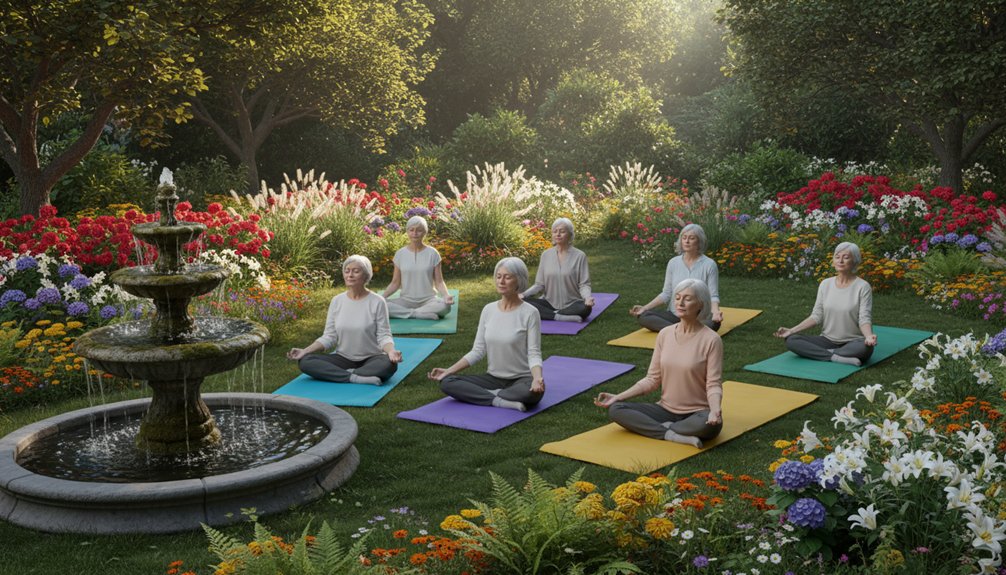
Practicing mindfulness and stress management can greatly improve your quality of life, especially as you navigate the challenges of aging.
By incorporating simple techniques like deep breathing, meditation, or gentle yoga into your daily routine, you can cultivate a sense of calm and presence.
Focus on the moment, appreciating the small joys that each day brings. This not only benefits your mental well-being but also enhances your ability to serve others with a more compassionate heart.
Remember, it’s about finding what resonates with you. Whether it’s a quiet walk in nature or journaling your thoughts, these practices help you stay grounded. Additionally, engaging in social activities and fostering a sense of belonging can further enhance your mindfulness journey.
Embrace mindfulness to foster resilience, allowing you to face life’s challenges with grace and strength.
Scheduling Regular Health Check-ups
Scheduling regular health check-ups is essential for maintaining your well-being as you age. These visits allow you to catch potential health issues early, ensuring you can continue serving those around you.
Make it a priority to consult with your healthcare provider about necessary screenings and vaccinations tailored to your needs. Setting reminders for appointments can help you stay organized and proactive.
Don’t hesitate to bring up any concerns during your visits—open communication is key. By prioritizing your health, you demonstrate to others the importance of self-care. Additionally, consider discussing risk factors for dementia with your provider to understand how they may affect your health as you age.
Frequently Asked Questions
What Are Some Fun Physical Activities for Seniors to Try?
You can try a variety of fun physical activities to keep active!
Consider joining a dance class, where you’ll enjoy music and movement.
Walking groups offer social interaction while exploring your neighborhood.
Swimming or water aerobics is gentle on the joints and invigorating.
Gardening can also be a rewarding way to stay engaged.
Don’t forget about tai chi; it’s great for balance and relaxation.
Each activity helps you stay fit and connect with others!
How Can Seniors Maintain a Healthy Diet on a Budget?
You can maintain a healthy diet on a budget by planning your meals and shopping smart.
Buy seasonal fruits and vegetables, which are often cheaper and fresher. Look for sales and use coupons to save on staples like grains and legumes.
Cooking in bulk can help too; freeze leftovers for later.
Don’t forget to explore community food programs or local farmers’ markets for affordable, nutritious options.
Eating well doesn’t have to break the bank!
What Are Signs of Dehydration in Seniors?
Signs of dehydration in seniors include dry mouth, fatigue, dizziness, confusion, and dark yellow urine.
You might notice your loved one drinking less water or having a decreased appetite.
Keep an eye out for any changes in their skin elasticity or if they seem unusually tired.
If you see these signs, encourage them to drink fluids and consult a healthcare professional if symptoms persist.
Staying hydrated is essential for their overall well-being.
How Can Seniors Make New Friends in Their Community?
To make new friends in your community, start by joining local clubs or groups that align with your interests.
Attend community events, classes, or volunteer opportunities—these places are great for meeting like-minded people.
Don’t hesitate to strike up conversations; a simple smile and hello can go a long way.
You can also reach out to neighbors for coffee or a walk, fostering connections that can blossom into lasting friendships.
What Are Some Easy Mindfulness Techniques for Beginners?
You can start with simple mindfulness techniques like focused breathing or body scans.
Sit comfortably, close your eyes, and take deep breaths, noticing how your body feels.
Try a five-minute guided meditation using apps or online videos. Engaging in mindful walking, where you pay attention to each step, can also help.