Understanding Assisted Living: Key Features and Benefits
Assisted living facilities provide a unique blend of independence and support for seniors who need assistance with daily activities. These communities are designed to foster a sense of autonomy while ensuring that residents receive the care they need, making them an ideal choice for many families.
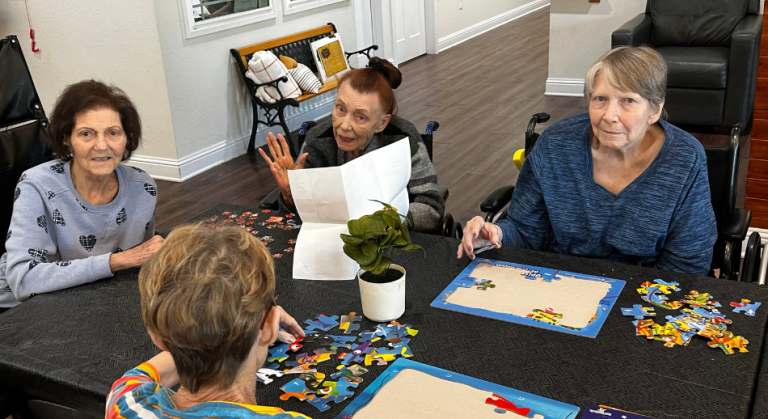
Key features of assisted living include personalized care plans, social activities, and access to health services. For instance, residents can enjoy communal dining, scheduled transportation, and wellness programs that promote physical and mental health, all within a safe and nurturing environment.
Choosing the Right Memory Care Facility
Selecting a memory care facility for a loved one is a critical decision that requires careful consideration. Families should look for facilities that specialize in memory care and offer tailored programs to meet the unique needs of individuals with dementia or Alzheimer’s disease.
When evaluating memory care options, consider factors such as staff qualifications, the facility's safety features, and the types of activities available. Engaging environments that provide cognitive stimulation and social interaction can significantly enhance the quality of life for residents.
Common Misconceptions About Senior Living
Many people hold misconceptions about senior living facilities, often believing they are merely nursing homes or places where seniors lose their independence. In reality, senior living options like assisted living and memory care provide supportive environments that encourage active lifestyles.
Addressing these misconceptions is essential for families considering care options. For example, many facilities offer a variety of activities and events that promote social engagement, helping seniors maintain a fulfilling and vibrant lifestyle while receiving the necessary support.
The Importance of Family Involvement in Senior Care
Family involvement plays a crucial role in the well-being of seniors residing in assisted living or memory care facilities. Active participation from family members can enhance the emotional health of residents and ensure that their preferences and needs are met.
Regular visits, communication with staff, and involvement in care planning can help families stay informed and engaged. This collaborative approach not only strengthens family bonds but also contributes to a more personalized and effective care experience for seniors.