Understanding the Different Types of Memory Care Services
Memory care services are specifically designed to cater to the unique needs of seniors experiencing cognitive decline, including Alzheimer's and other forms of dementia. These services provide a secure environment where residents receive around-the-clock supervision and specialized care tailored to their individual requirements.
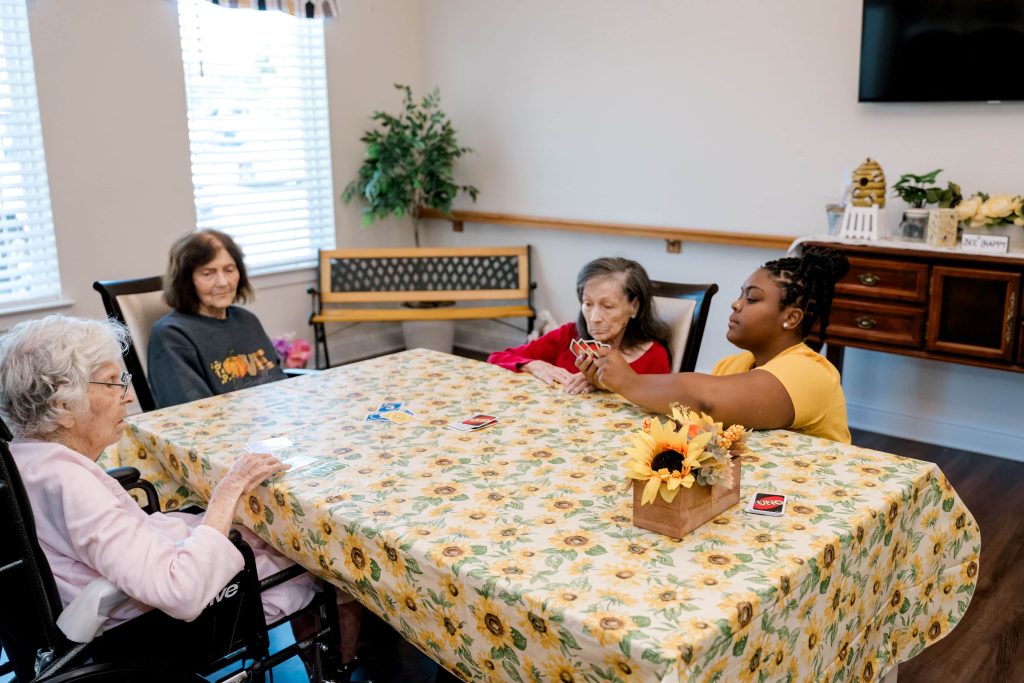
Facilities often offer a range of programs, such as cognitive therapies, physical activities, and social engagement opportunities, which are essential for maintaining mental health and well-being. For example, structured routines and engaging activities can help residents feel more secure and connected, ultimately enhancing their quality of life.
The Role of Family in Memory Care
Family involvement is crucial in memory care, as it fosters a supportive environment that can greatly benefit the well-being of residents. Regular visits and participation in care planning can help families stay informed and engaged in their loved one's daily life, ensuring that their needs are met effectively.
Furthermore, family members can contribute to the care process by sharing insights about the resident's preferences and history, which can inform personalized care strategies. Support groups and family counseling services are also available to help families navigate the emotional challenges associated with memory care.
Tips for Choosing the Right Memory Care Facility
Selecting the right memory care facility is a significant decision that can impact the quality of life for both seniors and their families. Key factors to consider include the facility's staff-to-resident ratio, the types of programs offered, and the overall atmosphere of the environment, which should feel welcoming and secure.
Visiting potential facilities and asking questions about their care approaches can provide valuable insights. It's also important to observe interactions between staff and residents to gauge the level of compassion and professionalism exhibited, ensuring that your loved one will receive the best possible care.
Innovative Therapies in Memory Care
Innovative therapies play a vital role in enhancing the quality of life for residents in memory care. Techniques such as music therapy, art therapy, and reminiscence therapy are increasingly utilized to stimulate cognitive function and emotional well-being among seniors.
These therapeutic approaches not only promote engagement but also help in reducing anxiety and improving mood. For example, music therapy has been shown to evoke memories and emotions, making it a powerful tool for connecting with residents who may struggle with communication due to cognitive decline.