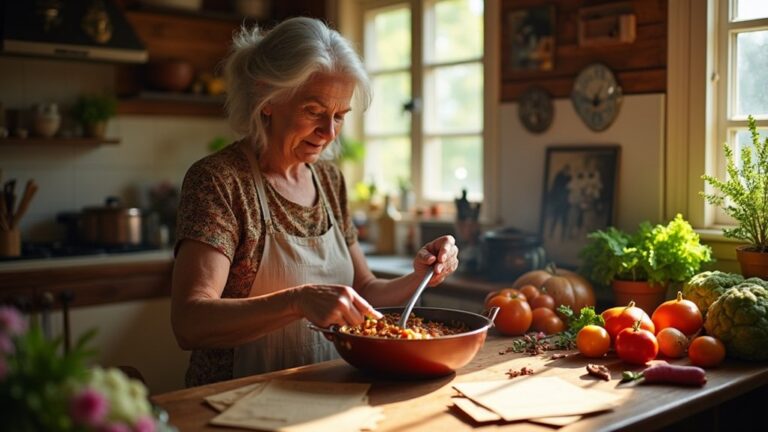
The Importance of Familiar Recipes in Senior Care
Familiar recipes hold significant emotional value for seniors, particularly those experiencing dementia. These recipes often evoke cherished memories, providing comfort and a sense of identity. By engaging seniors in cooking familiar dishes, caregivers can help them reconnect with their past, enhancing their emotional well-being.
Research shows that food-related memories are often preserved longer in individuals with dementia compared to other types of memories. For instance, a senior might remember the smell of their grandmother's apple pie or the taste of their favorite childhood meal, which can spark conversations and joyful reminiscences, fostering a more engaging atmosphere in care settings.
How Cooking Activities Enhance Cognitive Function
Engaging seniors in cooking activities not only provides emotional comfort but also stimulates cognitive function. The process of following a recipe requires memory recall, sequencing, and problem-solving, which can help maintain mental agility in seniors, particularly those with cognitive decline.
For example, involving seniors in meal preparation allows them to practice decision-making and motor skills. Simple tasks, like measuring ingredients or stirring, can be therapeutic and enjoyable, contributing to their overall cognitive health and sense of accomplishment.
Creating a Memory-Centered Cooking Program
Developing a memory-centered cooking program can significantly benefit seniors with dementia. Such programs should focus on familiar recipes and incorporate sensory experiences, such as smells and textures, to evoke memories and encourage participation.
For instance, a program might include themed cooking days where seniors prepare dishes from their childhood or cultural backgrounds. This not only promotes social interaction among residents but also allows them to share stories and experiences related to the meals, enhancing their sense of community and belonging.
Therapeutic Benefits of Cooking for Seniors
The therapeutic benefits of cooking for seniors extend beyond nostalgia. Cooking can serve as a form of occupational therapy, helping seniors maintain their independence and improve their quality of life. It provides a structured activity that can reduce feelings of anxiety and depression.
Moreover, the act of cooking can foster social connections among seniors. Group cooking sessions encourage teamwork and communication, allowing residents to bond over shared experiences and create new memories together, which is particularly valuable in a senior living environment.