Rethinking Senior Nutrition: Creative Meal Programs That Spark Joy
Navigate senior nutrition with creative meal programs that spark joy and connection—discover how!
Call Now 469-562-8611

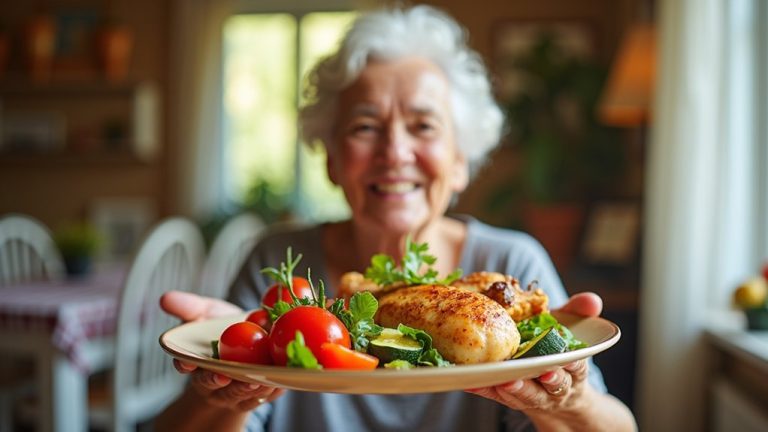
Navigate senior nutrition with creative meal programs that spark joy and connection—discover how!
Proper nutrition is vital for seniors as it directly impacts their overall health, energy levels, and quality of life. A balanced diet helps in managing chronic conditions, enhances cognitive function, and supports mobility, which are crucial for maintaining independence in older age.
For instance, incorporating a variety of fruits, vegetables, whole grains, and lean proteins can significantly improve seniors' health outcomes. Studies have shown that seniors who follow a nutrient-rich diet experience fewer health complications and enjoy a better quality of life, making nutrition a key focus in senior care.
Seniors often face unique challenges when it comes to nutrition, including dietary restrictions, decreased appetite, and difficulties in meal preparation. These factors can lead to malnutrition and other health issues if not addressed properly.
For example, seniors with diabetes may require meal plans that limit sugar intake, while those with dental issues might struggle with harder foods. Understanding these challenges is essential for caregivers to create tailored meal programs that ensure seniors receive the necessary nutrients for their well-being.
Developing creative meal ideas can make eating enjoyable for seniors, encouraging them to maintain a healthy diet. Meals that are visually appealing, flavorful, and easy to chew can significantly enhance their dining experience.
For instance, colorful vegetable stir-fries, smoothies packed with fruits and yogurt, or soft-cooked grains can be both nutritious and enticing. Incorporating themes, such as "Taco Tuesdays" or "Soup Sundays," can also foster a sense of community and excitement around mealtime in senior living facilities.
Involving seniors in meal preparation can promote better eating habits and a sense of accomplishment. Simple tasks such as washing vegetables, stirring ingredients, or setting the table can make them feel more connected to their meals.
Moreover, cooking together can serve as a social activity, enhancing relationships among residents and staff. Programs that encourage participation in meal planning and preparation have been shown to improve appetite and satisfaction with meals, contributing positively to seniors' mental and emotional health.