Spring Comfort, Same Routine: Why Familiar Daily Patterns Reduce Anxiety for Seniors With Dementia
Familiar daily patterns provide seniors with dementia the stability they need to manage anxiety, especially in spring when energy levels rise and social opportunities increase. Consistency in routines offers a comforting anchor, reducing confusion and fostering deeper connections with caregivers. Engaging in familiar activities, like gardening or walks, enhances mood and promotes a sense of purpose. By maintaining these routines, you’ll create a supportive environment that nurtures well-being. Plus, there’s more to discover about enhancing these daily patterns.
Key Takeaways
- Consistent routines provide stability for seniors with dementia, reducing anxiety and confusion during seasonal changes like spring.
- Familiar daily patterns create a sense of comfort and security, helping seniors feel more in control of their environment.
- Engaging in regular activities promotes positive memories, enhancing mood and overall well-being, especially in the uplifting spring season.
- Caregivers can support these routines by observing preferences and providing gentle reminders, fostering independence and connection.
- Meaningful activities tailored to individual interests, such as gardening or music, enhance routines and stimulate joy, further reducing anxiety.
The Importance of Routines for Cognitive Health

When you establish a routine for seniors with dementia, you’re not just creating a schedule; you’re fostering a sense of stability that can greatly enhance their cognitive health. Consistency helps them feel secure, reducing anxiety and confusion. By incorporating familiar activities at regular times, you’re giving them a framework to navigate their day, which can boost their memory and overall well-being. Simple tasks, like morning walks or afternoon puzzles, can become anchors in their daily lives. Engaging in these routines also nurtures deeper connections with caregivers and family members, promoting emotional health. As you create this structure, you’re not only supporting their cognitive health but also enriching their quality of life, making each day more meaningful and manageable. Additionally, the personalized care plans offered at memory care facilities can provide tailored routines that cater to individual preferences and needs.
How Spring Affects Mood and Behavior
As the days grow longer and warmer in spring, many people, including seniors with dementia, experience a noticeable shift in mood and behavior. The bright sunshine and blooming flowers can uplift spirits, creating a sense of renewal and hope.
You might notice increased energy levels and a desire to engage in social activities. This seasonal change can also reduce feelings of isolation, as family and friends are more likely to spend time outdoors. Engaging in group activities can further enhance social bonds and alleviate anxiety during this time of year.
However, it’s crucial to remain mindful of how these changes affect your loved ones. While spring can bring joy, it may also introduce confusion due to altered routines.
Being aware of these dynamics enables you to provide the support they need to enjoy this vibrant season safely.
Strategies for Maintaining Daily Patterns

Maintaining familiar daily patterns is essential for seniors with dementia, especially as seasonal changes can disrupt their routines.
To support this, establish a consistent schedule that includes mealtimes, activities, and rest. Use visual aids, like calendars or charts, to help them anticipate what comes next.
Simplify tasks by breaking them into small, manageable steps, allowing them to feel accomplished without overwhelming them. Incorporate familiar activities, like favorite hobbies or walks in the garden, to evoke positive memories.
Encourage family and friends to participate in these routines, fostering connection and familiarity.
Finally, be patient and flexible; if changes occur, gently guide your loved one back to their established patterns, reassuring them that stability is on the way. Engaging in life-enriching activities can also enhance their cognitive health and provide a sense of purpose.
The Role of Caregivers in Supporting Routines
Caregivers play an essential role in supporting the routines of seniors with dementia. By establishing and maintaining consistent daily patterns, you help create a sense of security that can greatly reduce anxiety.
It’s important to observe the preferences and habits of the individuals you care for, adapting routines to align with their unique needs. Providing gentle reminders for activities and assisting when necessary fosters independence while ensuring they feel supported.
Engaging with them during these routines, whether through conversation or shared tasks, enhances connection and trust. Remember, your presence and attentiveness can make all the difference in their comfort and well-being. Additionally, incorporating therapeutic recreational activities into daily routines can further promote engagement and reduce anxiety.
Activities That Enhance Routine and Well-Being

Engaging in meaningful activities can greatly enhance the daily routines of seniors with dementia, fostering both well-being and a sense of purpose.
Consider incorporating simple tasks like gardening or cooking together. These activities not only spark joy but also encourage cognitive engagement. Gardening, in particular, can reduce anxiety and agitation while providing sensory stimulation.
Incorporating simple tasks like gardening or cooking together fosters joy and cognitive engagement for seniors with dementia.
Regular walks in nature can further boost mood and stimulate conversation.
Creative pursuits, such as painting or crafts, allow for self-expression and connection.
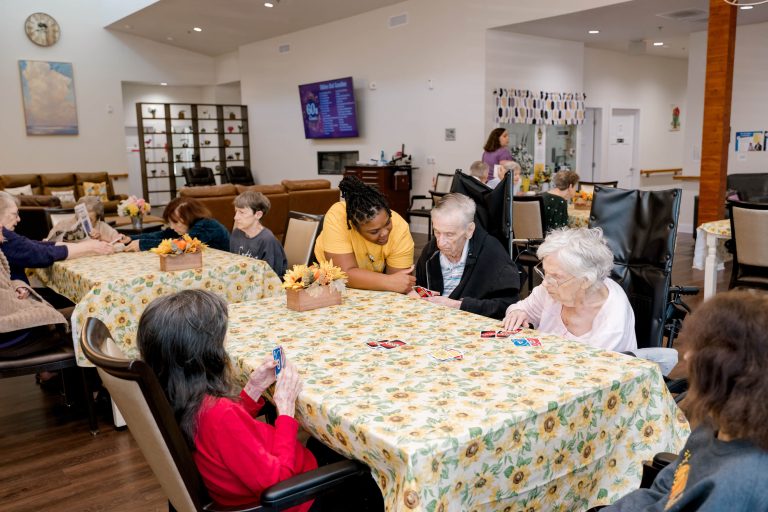
Encourage participation in music sessions or familiar games, as these can evoke cherished memories and promote social interaction.
Establishing a consistent schedule for these activities provides structure, helping seniors feel secure and valued.
Frequently Asked Questions
How Can I Create a Routine for Someone New to Dementia Care?
To create a routine for someone new to dementia care, start by observing their preferences and daily habits.
Incorporate familiar activities like meals, walks, and favorite hobbies at the same time each day. Keep it simple and flexible, allowing for adjustments as needed.
Use visual aids, like a calendar or chart, to help them understand the schedule. Regularly check in with them, ensuring they feel comfortable and engaged throughout the day.
What Are the Signs That a Routine Is No Longer Effective?
If a routine’s no longer effective, you might notice increased confusion, agitation, or resistance during activities.
Changes in mood, such as heightened anxiety or frustration, can also signal issues.
Additionally, if the person frequently forgets tasks or seems disengaged, it’s time to reassess.
Observe their reactions closely; if they seem overwhelmed or uninterested, adapting the routine could help restore comfort and stability in their daily life.
Can Routines Be Adapted for Varying Levels of Dementia?
Yes, you can adapt routines for varying levels of dementia.
Start by observing the individual’s needs and preferences. Simplify tasks, use visual cues, or introduce familiar activities that match their abilities.
Flexibility is key; adjust the schedule as necessary to avoid frustration. Keep communication clear and encouraging, and involve them in decisions when possible.
This approach fosters a sense of security and helps maintain their dignity while supporting their well-being.
How Does Nutrition Fit Into a Daily Routine for Seniors?
Nutrition plays an essential role in a daily routine for seniors. You can help by incorporating balanced meals that include fruits, vegetables, whole grains, and lean proteins.
Make mealtimes consistent, as this provides structure and comfort. Encourage hydration, too, by offering water or herbal teas throughout the day.
Are There Specific Routines That Work Best in Springtime?
Yes, specific routines that work best in springtime include outdoor activities like gardening or gentle walks to enjoy the blooming flowers.
You can also incorporate seasonal meals with fresh fruits and vegetables, which adds variety to their diet.
Establishing a consistent schedule for morning sunshine, afternoon naps, and evening relaxation can create a comforting rhythm.
Engaging in spring-themed crafts or activities can also foster connection and joy, enhancing their overall well-being.