Why Familiar Routines Matter More in Winter: Comfort Tips for Seniors With Dementia
Familiar routines matter more in winter because they provide seniors with dementia a sense of security and predictability during a time when isolation and confusion can increase. Consistent schedules help reduce anxiety and create emotional well-being. By maintaining daily activities at the same time, you’re fostering connections and a feeling of familiarity. This can greatly enhance their comfort, especially with the chill of winter. Discovering more strategies can further improve their sense of warmth and joy.
Key Takeaways
- Familiar routines provide seniors with dementia a sense of security, reducing anxiety and confusion during winter’s isolating conditions.
- Consistent schedules help maintain emotional well-being by creating predictability amidst seasonal changes.
- Engaging in daily activities at the same time fosters familiarity, enhancing comfort and alleviating feelings of sadness.
- Incorporating group activities into routines promotes social bonds, combating isolation that can intensify in winter.
- Maintaining a warm, clutter-free environment supports routine adherence, ensuring seniors feel safe and comfortable at home.
The Impact of Winter on Seniors With Dementia
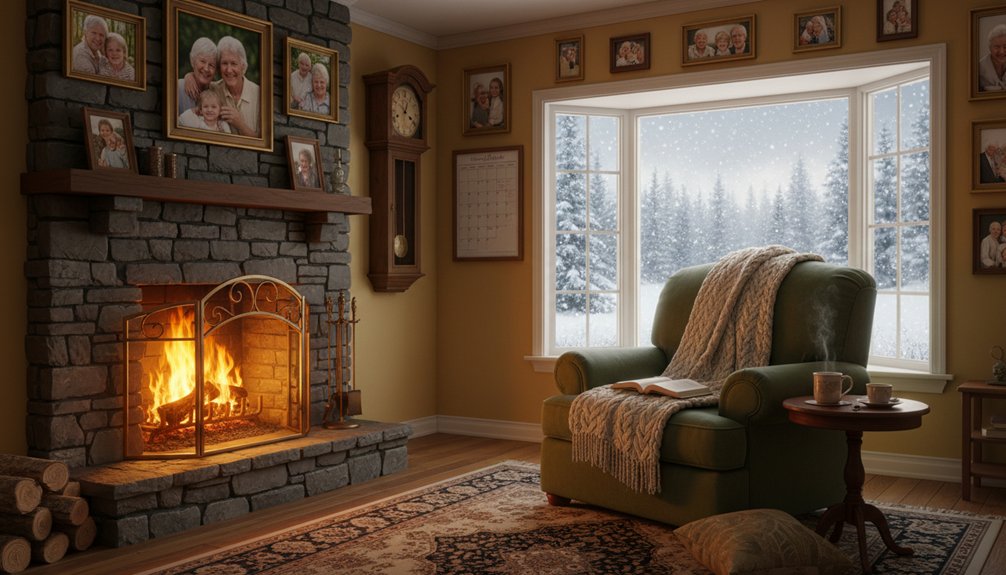
As winter sets in, you might notice that seniors with dementia can face unique challenges that affect their well-being.
The colder weather can lead to increased isolation, as many may hesitate to go outside. Reduced sunlight can also exacerbate feelings of confusion or sadness, impacting their mood and overall health.
Colder weather can heighten isolation for seniors, with reduced sunlight worsening confusion and sadness, affecting their overall well-being.
It’s essential to monitor their physical comfort, as cold temperatures can cause discomfort or exacerbate existing health issues.
Additionally, seasonal changes can disrupt familiar environments, making it harder for them to navigate daily tasks.
You can help by creating a warm, inviting space at home and ensuring they’ve access to activities that promote engagement and connection. Engaging in therapeutic recreational activities can significantly enhance their emotional and mental well-being during these challenging months.
This way, you can foster a sense of security and comfort during these challenging months.
Understanding the Importance of Routine
Winter can disrupt the daily lives of seniors with dementia, making familiar routines even more important for their well-being. Establishing consistent schedules helps create a sense of security and predictability.
When you follow a routine, it reduces anxiety and confusion, allowing your loved ones to feel more at ease. Simple daily activities like meals, exercise, and leisure time should happen at the same time each day. This predictability helps seniors engage more fully, fostering a sense of purpose and normalcy.
As caregivers, you can reinforce these routines by being patient and understanding. By prioritizing familiar patterns, you’re not just providing structure; you’re also nurturing emotional well-being, helping seniors navigate winter’s challenges with comfort and confidence. Additionally, incorporating group activities into these routines can foster social bonds and reduce feelings of isolation.
Creating a Safe and Comfortable Home Environment

To guarantee a safe and comfortable home environment for seniors with dementia, it’s essential to make thoughtful adjustments that cater to their unique needs.
Start by decluttering spaces to minimize confusion and prevent falls. Make sure adequate lighting in all areas, especially hallways and staircases, to help them navigate safely.
Use contrasting colors for walls and floors to aid recognition and orientation. Consider securing rugs and removing tripping hazards.
Label rooms and important items clearly, using large, easy-to-read fonts. Maintain a consistent temperature to make certain warmth and comfort during winter months.
Finally, create a cozy nook filled with familiar items to encourage relaxation and a sense of belonging. These adjustments can notably enhance their quality of life at home, as a structured daily routine can further promote comfort and security for individuals with memory challenges.
Incorporating Seasonal Activities Into Daily Routines
Incorporating seasonal activities into daily routines can greatly enhance the quality of life for seniors with dementia. Engaging your loved one in winter-themed crafts, like making snowflakes or decorating a holiday tree, can spark joy and creativity.
Try taking daily walks to enjoy the crisp air and admire the winter scenery. You might also consider reading seasonal stories or listening to winter music, which can evoke pleasant memories. Additionally, incorporating music therapy techniques can further promote emotional well-being and cognitive engagement.
Baking simple seasonal treats together not only creates a comforting atmosphere but also promotes sensory stimulation. Remember, consistency is key—maintaining these activities regularly can provide structure and familiarity.
The Role of Nutrition in Winter Wellness

As you engage your loved one in seasonal activities, don’t overlook the importance of nutrition in supporting their overall wellness during the colder months. Proper nutrition can help boost their immune system, keeping them healthy and vibrant.
Focus on providing warm, hearty meals rich in vitamins and minerals. Incorporate seasonal fruits and vegetables, like squash and citrus, to enhance their meals.
Don’t forget about hydration! Encourage them to drink warm fluids, like herbal teas or soups, which can help keep them hydrated and cozy.
You might even involve them in meal prep, making it a fun and engaging experience. By prioritizing nutrition, you’re helping them feel their best while enjoying winter together. Additionally, a diet rich in brain-boosting foods can further support their cognitive health during the winter months.
Maintaining Social Connections During Cold Months
While winter’s chill can make it tempting to stay indoors, maintaining social connections is essential for your loved one’s mental and emotional well-being.
Schedule regular visits with family and friends, either in person or virtually. These interactions can provide joy and familiarity, helping combat feelings of isolation.
Encourage participation in local community events or support groups tailored for seniors. A simple phone call or video chat can brighten their day and remind them they’re loved.
Consider organizing small gatherings with familiar faces, ensuring a warm, comfortable environment. By fostering these connections, you’re not only enriching their life but also reinforcing a sense of belonging that’s crucial during the colder months. Furthermore, memory care services can provide tailored activities that promote social engagement, ensuring your loved one feels connected and supported.
Your efforts truly make a difference in their happiness and well-being.
Coping With Seasonal Affective Disorder

Maintaining social connections is beneficial, but the winter months can bring about feelings of sadness, especially for seniors dealing with Seasonal Affective Disorder (SAD).
It’s important to recognize these feelings and address them proactively. Encourage loved ones to spend time outdoors when the sun shines, even if just for a short walk. Brightening indoor spaces with light therapy lamps can also help combat the gloom.
Engaging in hobbies that bring joy, like reading or crafting, can lift spirits too. Regular check-ins from friends or family can provide emotional support and reassurance.
Finally, fostering a routine that includes enjoyable activities can create a sense of stability, making the winter months feel warmer and more manageable. Mindfulness practices for seniors can also enhance emotional resilience and promote a sense of presence during these challenging times.
Strategies for Effective Communication
Effective communication with seniors who’ve dementia can greatly enhance their quality of life, so it’s essential to approach conversations with patience and understanding.
Focus on using simple, clear language and speak slowly to guarantee they can follow along. Maintain eye contact and use a warm tone to create a comforting atmosphere. Non-verbal cues, like gestures or facial expressions, can also help convey your message.
Be mindful of their feelings; if they seem confused or frustrated, gently redirect the conversation. Encourage them to express their thoughts, allowing pauses for processing.
Finally, validate their emotions, showing that you truly care about what they’re experiencing. This compassionate approach fosters connection and makes them feel valued and heard. Additionally, communication involves more than words, as it encompasses love and understanding, making it vital to connect on an emotional level.
Tailoring Routines to Individual Preferences

To enhance the well-being of seniors with dementia, tailoring daily routines to their individual preferences is essential. Start by observing their likes and dislikes. Maybe they enjoy specific music, types of meals, or particular activities. Incorporate these elements into their daily schedule to create a sense of familiarity and comfort.
Engaging them in conversations about their past can also guide you in shaping routines that resonate with their memories. Allow them to participate in decision-making when possible, as this fosters a sense of control and dignity. Additionally, consider the personalized care plans created for each resident, which can provide insights into their unique preferences and needs.
Regularly check in to see if their preferences change, adjusting routines accordingly. By personalizing their day-to-day activities, you not only improve their emotional well-being but also enhance their overall quality of life.
Encouraging Independence While Sticking to Routines
Building on the idea of tailoring routines, encouraging independence in seniors with dementia can greatly enhance their sense of self-worth.
By allowing them to make choices, like selecting their clothes or deciding when to take a walk, you empower them within a familiar routine.
Small tasks, such as setting the table or watering plants, can nurture their confidence and give them a sense of accomplishment.
Always offer guidance, but let them take the lead where possible.
It’s essential to celebrate their efforts, no matter how small, reinforcing their capabilities.
This approach not only maintains structure but also fosters a positive atmosphere, helping seniors feel valued and connected, even in the colder months. Additionally, creating personalized care plans can further enhance their engagement and support their independence.
Frequently Asked Questions
How Can I Identify Signs of Discomfort in a Senior With Dementia?
You can identify signs of discomfort in a senior with dementia by observing their body language and facial expressions.
Look for fidgeting, grimacing, or withdrawing from activities. Listen for changes in tone or speech, like increased agitation or silence.
Pay attention to their eating and sleeping patterns as well. If they seem unusually restless or upset, it’s important to check in with them, ensuring they’re comfortable and addressing any potential issues promptly.
What Are Some Ways to Engage Seniors in Winter-Themed Activities?
You can engage seniors in winter-themed activities by organizing simple crafts like making snowflakes or decorating holiday cards.
Try baking festive treats together, as the scents can spark joy.
Host movie nights featuring classic winter films, complete with cozy blankets and hot cocoa.
You might also enjoy outdoor walks to appreciate the winter scenery, or even indoor gardening with winter plants.
These activities foster connection and create a warm, inviting atmosphere for everyone involved.
How Can I Encourage Physical Activity During Colder Months?
You can encourage physical activity during colder months by organizing indoor exercises like chair yoga or gentle stretching.
Set up fun group activities, like dancing to music or a friendly game of bowling with soft balls.
You could also promote short, brisk walks around the house or hallways.
Remember to keep the atmosphere light and enjoyable, so everyone feels motivated to participate and stay active despite the chilly weather outside.
What Winter Gear Is Best for Seniors With Mobility Issues?
For seniors with mobility issues, insulated boots with non-slip soles are essential for warmth and safety.
Look for lightweight, easy-to-put-on jackets that offer good insulation. Consider heated gloves and hats to keep extremities warm.
You might also find walking aids, like canes with winter grips, helpful.
Always prioritize layers, as they allow for easy adjustments based on activity levels.
Keeping seniors comfortable and safe encourages them to stay active during winter months.
How Do I Adjust Routines if a Senior’s Condition Changes Suddenly?
When a senior’s condition changes suddenly, adjust routines by observing their new needs closely.
Simplify tasks to reduce stress, and guarantee activities match their current capabilities.
Communicate openly, asking them what feels comfortable or enjoyable.
Keep familiar aspects of their routine to provide stability and reassurance.
Finally, remain flexible and ready to adapt as their condition evolves, ensuring they feel secure and supported throughout the shift.