How Familiar Music and Memories Can Bring Comfort in Memory Care
Familiar music has a unique way of bringing comfort in memory care. It can transport you back to cherished moments, sparking joy and connection. As melodies awaken emotions tied to past experiences, they help reduce anxiety and encourage participation. This shared musical journey strengthens bonds between caregivers and residents, fostering trust and understanding. Plus, personalized playlists resonate deeply, making everyone feel valued and engaged. Discover how to create these playlists and enhance the experience even further.
Key Takeaways
- Familiar music evokes cherished memories, transporting residents to joyful moments and enhancing their emotional well-being in memory care settings.
- Personal playlists cater to individual preferences, fostering a sense of belonging and comfort for residents.
- Music therapy reduces anxiety and agitation, creating a calming environment that promotes relaxation and emotional support.
- Shared musical experiences strengthen bonds between caregivers and residents, fostering trust and enhancing companionship.
- Engaging residents in music selection stimulates cognitive function and encourages meaningful conversations about their past.
The Emotional Connection: How Music Sparks Memories
When you listen to a familiar song, it often transports you back to a specific moment in time, revealing the powerful emotional connection that music has with our memories. Each note and lyric can awaken feelings you thought were long forgotten, creating a bridge to cherished experiences.
When you share music with others, especially those in memory care, you’re not just playing notes; you’re igniting joy and recognition. You might see smiles, hear laughter, or even witness someone humming along, as music taps into deep-seated emotions.
This connection can bring comfort, sparking conversations about past events and relationships. By fostering these moments, you’re not only enhancing their day but also nurturing their sense of identity. Incorporating personalized music experiences truly allows for meaningful and enjoyable interactions. Music truly is a universal language of the heart.
How Music Therapy Benefits Residents in Memory Care?
Music therapy offers profound benefits for residents in memory care, as it taps into their emotional core and enhances their overall well-being.
Through carefully selected songs and melodies, you can evoke cherished memories, promoting joy and connection. This therapeutic approach reduces anxiety and agitation, creating a calming environment that fosters relaxation.
Additionally, by encouraging participation in singing or rhythmic activities, you help residents boost their cognitive function and improve motor skills. Engaging with music not only stimulates the brain but also offers social interaction, enhancing their sense of belonging. Moreover, music evokes memories, creating shared experiences that transcend words.
Building Stronger Bonds: How Music Connects Caregivers and Residents
Engaging with music not only benefits residents but also strengthens the bonds between caregivers and those they care for.
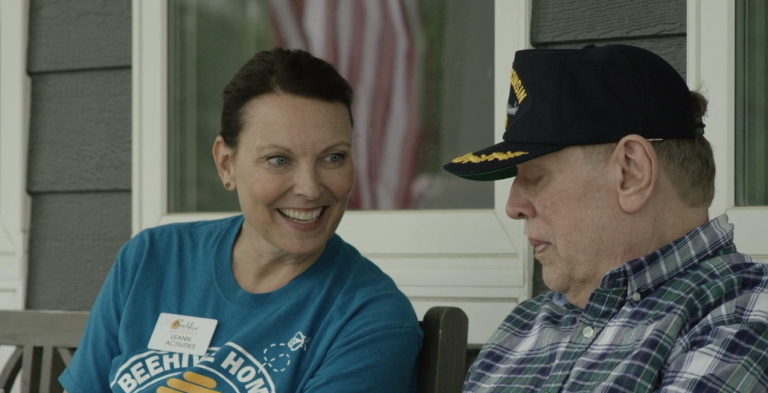
When you share a favorite song or play an instrument together, it creates a shared experience that deepens your connection. These moments foster trust and understanding, allowing residents to express themselves more freely.
As you sing along or tap your feet to a familiar tune, you can witness smiles and even laughter, reinforcing the joy of companionship.
Music becomes a bridge, breaking down barriers and sparking conversations that mightn’t happen otherwise. This approach aligns with family engagement strategies that enhance the quality of care and emotional well-being for residents.
Personalized Playlists for Residents
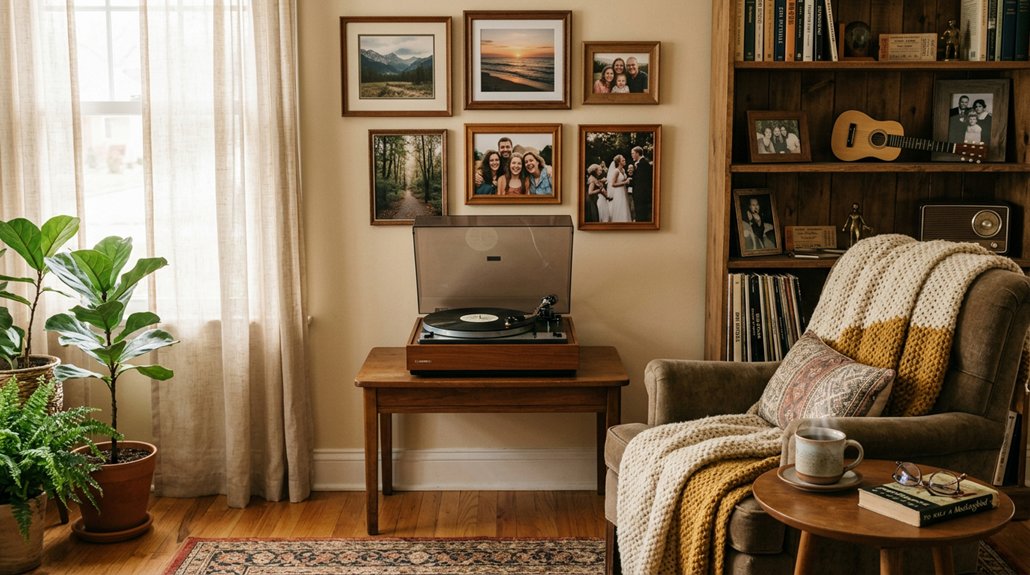
Creating personalized playlists for residents not only enhances their daily experiences but also taps into their unique memories and emotions. By curating music that resonates with each individual, you’re offering them a way to reconnect with cherished moments.
Think about their favorite songs, artists, or genres; these selections can spark joy and conversation, bridging gaps in communication. Engaging residents through music fosters a sense of belonging and comfort, making them feel valued and understood. It’s important to involve them in the process; ask about their musical preferences and share stories behind the songs.
This collaborative approach strengthens relationships and enriches their lives, providing a powerful tool for emotional support and cognitive stimulation in memory care settings. Additionally, engaging in cognitive activities through music can enhance emotional well-being and enrich their overall experience.
Steps to Create Effective Music Playlists in Daily Care
Building on the idea of personalized playlists, developing effective music selections for daily care involves a structured approach. Start by getting to know each resident’s musical preferences; ask about their favorite genres, artists, or specific songs that evoke positive memories.
Next, organize music into different playlists based on activities or moods—calming tunes for relaxation, upbeat songs for exercise, or nostalgic tracks for reminiscence. Regularly update these playlists to keep them fresh and engaging.
Consider the time of day and the residents’ routines, ensuring the music aligns with their needs. Finally, observe how residents respond to different selections, adjusting as necessary to maximize enjoyment and comfort. This thoughtful approach can profoundly enhance their quality of life, reinforcing the role of family in memory care initiatives.
Frequently Asked Questions
Can Music Help Reduce Anxiety in Memory Care Residents?
Yes, music can greatly reduce anxiety in memory care residents. It engages their emotions, evokes positive memories, and creates a calming atmosphere, helping you connect with them on a deeper, more comforting level.
How Does Music Affect Cognitive Function in Dementia Patients?
Music can enhance cognitive function in dementia patients by stimulating memory recall and emotional responses. It engages different brain areas, promoting communication and connection, which can lead to improved mood and reduced feelings of isolation.
What Genres of Music Are Most Effective for Memory Recall?
Classical, jazz, and folk genres often evoke strong memories. You’ll notice that familiar tunes can spark emotional responses, enhancing memory recall. By sharing these styles, you can create meaningful connections for those you serve.
Are There Any Risks Associated With Using Music in Care Settings?
Yes, there are risks. Some individuals might feel overwhelmed by certain genres or volumes. It’s crucial to tailor music choices to each person’s preferences and monitor their reactions to guarantee a positive, calming experience.
How Often Should Music Be Incorporated Into Daily Routines?
Incorporating music into daily routines several times a day can enhance well-being. Try integrating it during meals, activities, or relaxation moments. You’ll notice how it lifts spirits and fosters connections in meaningful ways.