Creating Comfort Through Music, Meals, and Familiar Moments in Memory Care
Creating comfort in memory care is a thoughtful process that focuses on nurturing connections through music, meals, and familiar moments. For family members and caregivers researching care options for their loved ones, understanding how these elements contribute to well-being is essential.
Music and Memory
Personalized music playlists can play a significant role in evoking cherished memories for older adults experiencing memory loss. Familiar songs may bring joy and enhance emotional well-being, making music a valuable tool in memory care. When selecting music, consider the individual’s life history and personal preferences, as these can vary widely from person to person.
Meals That Nurture
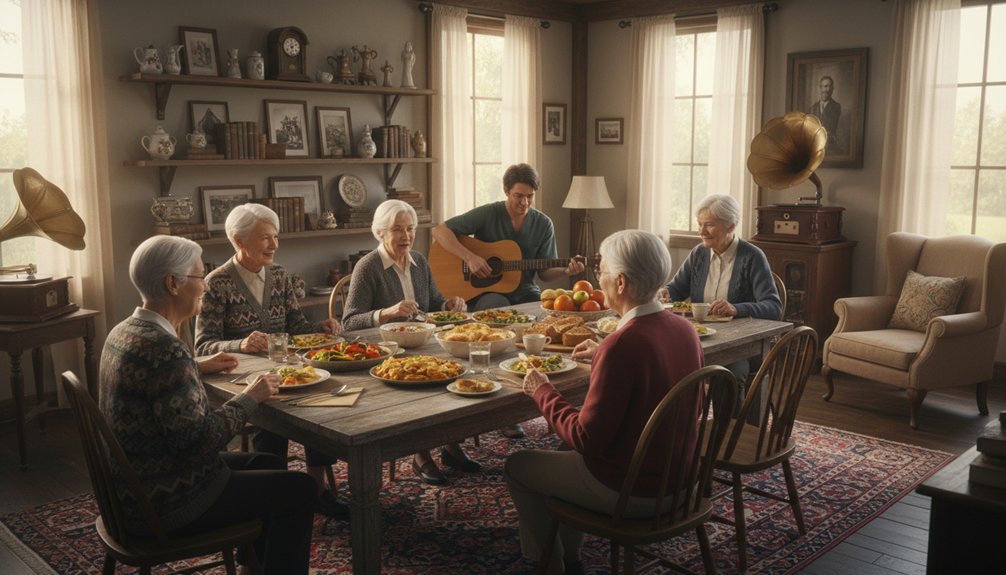
Thoughtful meal experiences can greatly benefit residents in memory care communities. Offering familiar foods can not only promote nutrition but also encourage a sense of autonomy and dignity during mealtimes. Engaging residents in meal planning or allowing them to participate in food preparation can also enhance their sense of belonging.
Creating Familiar Routines
Establishing daily routines can help residents feel more secure and comfortable. Consistency in activities, such as scheduled meal times or music sessions, can provide a sense of stability. Incorporating sensory cues, such as the aroma of familiar dishes or the sound of favorite songs, can further enhance the feeling of home.
Individualized Care
It’s important to recognize that each resident may have unique preferences and care needs. Memory loss can affect individuals in different ways, and their requirements may change over time. Therefore, families should look for communities that prioritize person-centered care, focusing on the individual’s history, interests, and communication styles.
Questions to Ask
When considering memory care options, families may want to ask questions that help them understand how a community addresses these comfort-enhancing strategies. Consider inquiries such as:
- How does the community create personalized music playlists for residents?
- What meal options are available, and how are they tailored to individual preferences?
- How are daily routines structured to support residents’ needs?
- What activities are offered to promote engagement and comfort?
By understanding these components, families can make informed decisions about their loved one’s care, ensuring a supportive and nurturing environment that enhances their quality of life.
Key Takeaways
When exploring memory care options for a loved one, it’s important to understand how personalized experiences can enhance their quality of life.
- Personalized Music Playlists: Music can be a powerful tool for emotional well-being. Many memory care communities offer personalized music playlists that reflect the musical preferences from residents’ formative years. These playlists may help foster social connections and evoke meaningful memories, supporting emotional health.
- Inviting Dining Experiences: The dining environment plays a crucial role in the overall experience of residents. Communities that create inviting dining areas and allow residents to choose their seating can promote a sense of autonomy and encourage positive social interactions during mealtimes. Consider asking about the dining options and atmosphere when researching communities.
- Familiar Routines and Cues: Familiar routines, along with sensory cues such as music and pleasant aromas, can significantly reduce anxiety for individuals experiencing memory loss. These elements help create a comforting environment that enhances daily living experiences.
- Reminiscence Activities: Engaging residents in reminiscence activities and family traditions can foster emotional expression and reinforce their sense of identity. Look for communities that offer structured programs to support these types of interactions, as they can be beneficial for individuals with cognitive decline.
- Regular Evaluation of Preferences: It’s essential for memory care communities to regularly evaluate residents’ preferences and needs. This ongoing assessment helps ensure that the care provided in terms of music, meals, and familiar experiences aligns with individual comfort and satisfaction. When considering a community, inquire about how they assess and adapt to residents’ changing needs over time.
As you research memory care options, remember that each person living with memory loss has unique abilities and requirements that may evolve. It’s important to choose a community that prioritizes person-centered care, focusing on individual preferences and providing a supportive atmosphere that respects dignity and promotes engagement.
The Therapeutic Power of Music
Music has been recognized for its significant influence on emotional well-being, particularly in memory care communities where older adults may experience challenges related to cognitive decline. Research indicates that music therapy can be an effective approach to enhance emotional health by alleviating symptoms associated with anxiety and depression. For example, music-based interventions have shown a noticeable impact in reducing feelings of sadness, and studies have demonstrated meaningful decreases in anxiety levels among residents. Moreover, music therapy’s therapeutic value has been shown to positively affect depression and anxiety across various psychiatric disorders. Additionally, personalized playlists tailored to individual preferences can further enhance the effectiveness of music therapy in memory care settings.
Engaging with music can also nurture social connections, facilitating interactions between caregivers and residents. By introducing music into daily routines, family caregivers can create a supportive and comforting environment that encourages participation and fosters connections. This approach not only enhances the quality of life for individuals living with memory loss but also promotes a sense of belonging and engagement within the community.
As you explore memory care options for a loved one, consider the role of music in care programs. Look for communities that integrate music therapy or musical activities into their daily schedules, as this can be a valuable resource in promoting emotional well-being.
Remember that each individual has unique preferences and needs, so finding a community that respects and incorporates those personal choices can lead to a more fulfilling experience.
Ultimately, the therapeutic benefits of music can serve as an important tool in supporting the emotional health of residents in memory care settings.
Personalizing Music for Individual Needs
When exploring the role of personalized music in memory care, it’s essential to understand how individual musical preferences can positively influence the emotional well-being of older adults experiencing memory loss. Engaging in conversations with residents, family members, and caregivers can provide valuable insights into each person’s unique musical tastes.
Focusing on music from their formative years—typically ages 10 to 25—can be particularly effective. Gathering information about their favorite artists, genres, and cultural traditions can help create playlists that resonate with their life experiences. Aim to compile playlists of 20 to 40 songs that are meaningful and familiar to them, ensuring these selections are both enjoyable and comforting. Additionally, familiar and enjoyable music can help individuals connect emotionally, especially when verbal communication is challenging. Incorporating music therapy activities can further enhance the connection and emotional response to familiar tunes.
Additionally, consider tailoring the music to meet the current needs of each resident. This may involve adjusting the tempo and volume to create a more soothing or stimulating environment, depending on individual responses. Regularly evaluating how residents engage with the music and updating playlists to reflect any changing preferences is important. The goal is to prioritize their enjoyment and comfort, fostering a sense of connection and joy through music.
As you research memory care options, keep in mind that not all communities may offer the same services or approaches to personalized care. It can be helpful to inquire about their specific music therapy programs, activities, and how they accommodate individual preferences.
Creating Meaningful Mealtime Experiences
Creating meaningful mealtime experiences is vital for enhancing the quality of life for residents in memory care communities. To foster a sense of comfort and security, consider the design of dining areas. Smaller dining rooms with homelike furnishings can help minimize overstimulation and encourage personalized interactions among residents. Research indicates that well-designed physical settings enhance mealtime experiences for individuals with dementia. Additionally, creating a calm environment during meals can further improve residents’ emotional well-being and engagement.
Establishing consistent meal routines is another important aspect of creating a supportive environment. Predictable meal times can provide structure and help ease transitions for residents living with dementia. Additionally, allowing residents to choose their tablemates and seating arrangements promotes their sense of autonomy and personal choice, which can be very empowering.
Consistent meal routines and personalized seating enhance autonomy, providing comfort and structure for residents with dementia.
Positive interactions with staff can also play a significant role in strengthening social connections and affirming the identities of residents. Engaging in friendly conversation and offering assistance in a respectful manner can enhance the mealtime experience.
Moreover, providing person-centered assistance tailored to individual needs is crucial. This might include using verbal prompts to encourage participation or adjusting the pacing of meals to accommodate different abilities. By focusing on these person-centered elements, families can help create a warm and inviting dining atmosphere that enriches the overall experience for everyone involved.
When researching memory care options for a loved one, it’s essential to consider how different communities approach mealtime and the specific services they offer. Each community may provide varying levels of support, dining assistance, and opportunities for social engagement.
Prioritize environments that respect the dignity and preferences of residents, ensuring that mealtimes aren’t just about nutrition but also about connection and meaningful engagement.
Enhancing Nutrition and Hydration in Care
Enhancing nutrition and hydration in memory care communities is important for supporting the health and well-being of residents, particularly for older adults living with dementia. Malnutrition and dehydration can pose significant risks, so routine screening is essential to identify those who may need additional support. One effective strategy is food fortification, which involves adding extra calories and protein to meals and snacks without increasing portion sizes. This can help ensure that residents receive the necessary nutrients to support their health. Additionally, offering frequent hydration options, such as water-rich foods like soups and fruits, can encourage fluid intake. Regular monitoring of residents is crucial. This includes tracking their weight and food and fluid intake to identify any declines early on. For residents who may have swallowing difficulties, it’s important to ensure they receive appropriate assessments and tailored support. Providing adaptive tools and individualized meal plans can promote independence while ensuring that each resident’s nutritional needs are met. It’s also helpful to consider personal preferences, life history, and routines when planning meals, as these factors can enhance the dining experience and overall satisfaction. Incorporating colorful vegetables into meals can further improve the nutritional quality of the food served. Furthermore, nutrient-rich options support health and happiness, which is especially important for residents in memory care. When researching memory care options for a loved one, families should inquire about the community’s approach to nutrition and hydration, including the types of meals offered, hydration strategies, and support for residents with special dietary needs. Understanding how a community addresses these aspects can help families make informed decisions that best meet the needs of their loved one living with memory loss.
Establishing Familiar Routines for Comfort
Establishing familiar routines in memory care communities can significantly enhance the quality of life for residents living with memory loss. These routines provide a sense of comfort and security, helping to reduce anxiety and confusion that may arise from uncertainty. By maintaining predictable daily schedules for waking, meals, and activities, residents can better anticipate what comes next, which can lead to smoother transitions throughout the day.
Incorporating familiar practices, such as established ways of bathing and dressing, helps reinforce a sense of normalcy and comfort. Environmental cues, like large-print labels and clear signs, can assist residents in navigating their surroundings and completing daily tasks more independently. Structured activities can also play a vital role in reducing agitation and enhancing mood. Prioritizing familiar patterns nurtures emotional well-being and helps seniors navigate winter’s challenges.
It is essential to tailor activities to each person’s current abilities to ensure both engagement and satisfaction. Flexibility is also a key consideration; routines should be adaptable to meet changing needs while preserving residents’ autonomy and sense of purpose.
This thoughtful, person-centered approach not only fosters emotional stability but also enhances the daily experience within memory care settings, ultimately contributing to a more fulfilling life for older adults experiencing memory loss.
When exploring memory care options for a loved one, consider how communities support familiar routines and individual preferences, as these factors can make a significant difference in the overall care experience.
The Role of Reminiscence in Memory Care
Reminiscence can be a valuable aspect of care for individuals living with memory loss, including those in memory care communities. Engaging in familiar routines and recalling meaningful life events can significantly enhance emotional well-being and support a sense of identity for older adults. This process not only helps improve mood but also encourages emotional expression, which is crucial for overall quality of life. Reminiscence therapy has shown promise for improving cognition in older adults with cognitive impairment or dementia, highlighting its potential benefits in memory care settings. Additionally, personalized assistance with daily routines can further support residents’ emotional and cognitive engagement during reminiscence activities.
Structured reminiscence activities, such as sharing stories, looking at photographs, and discussing favorite meals, can foster connections among residents and may lead to reductions in symptoms of depression and anxiety. Individual sessions provide the opportunity for personalized pacing and emotional support, while group activities enable social interactions and shared experiences.
Using prompts like music or visual aids can evoke cherished memories, reinforcing personal identity and providing comfort. By incorporating reminiscence therapy into care routines, family members and caregivers can help create a nurturing environment that supports cognitive engagement and enhances residents’ sense of belonging within the community.
When exploring memory care options, consider how different communities incorporate reminiscence and other therapeutic activities. Look for settings that prioritize personalized care and meaningful engagement, as these factors can greatly impact the well-being of your loved one.
Sensory Connections and Their Importance
Enhancing Well-Being for Individuals Experiencing Memory Loss Through Sensory Connections****
For family members and caregivers researching memory care options for a loved one living with memory loss, understanding the role of sensory connections can be incredibly beneficial. Sensory cues—such as music, familiar scents, and comforting textures—can significantly enhance emotional well-being for individuals experiencing cognitive decline. Art therapy activities also provide a means to communicate emotions that words may not capture, adding another layer of support.
These sensory connections activate pathways in the brain that may remain intact, facilitating nonverbal communication and connection. For example, music therapy has been shown to uplift mood and encourage social interaction. Additionally, with an estimated 46.8 million people currently affected by dementia, incorporating sensory elements like music therapy can become a vital aspect of care. Similarly, familiar aromas from favorite foods can stimulate appetite and create a more positive dining experience.
Sensory connections activate intact brain pathways, enhancing nonverbal communication and uplifting moods through music and familiar aromas.
Creating a multisensory environment in memory care communities can promote predictability and reduce anxiety, encouraging participation in daily routines. By incorporating familiar sounds, tastes, and sights, caregivers can help foster a sense of belonging, which may enhance the quality of life for residents. The combination of sensory experiences with art activities can also encourage participation and self-expression, further enriching the lives of residents.
It’s important to recognize that individuals living with memory loss have unique needs and experiences. Sensory connections can vary in effectiveness based on personal preferences and life history. Therefore, when exploring care options, consider how a community prioritizes person-centered approaches, including familiar routines and meaningful engagement activities.
Ultimately, integrating sensory connections into care plans can be an essential part of supporting emotional well-being and creating a comforting atmosphere in memory care settings. As you research and evaluate potential communities for your loved one, look for those that value these sensory experiences as part of their care philosophy.
Monitoring and Adjusting to Individual Responses
Monitoring and adjusting to the individual responses of older adults experiencing memory loss is a vital aspect of enhancing their overall well-being. Caregivers and family members should be attentive to non-verbal cues such as facial expressions, posture, and engagement levels during various activities, including music sessions, meals, or recreational pursuits.
It’s important to document any noticeable changes in feelings of agitation, enjoyment, or alertness before, during, and after these interactions. To better understand each individual’s preferences and patterns, caregivers can keep track of favorite songs, preferred meal textures, and optimal times for activities. Recent studies have shown that tailored activities can significantly improve the quality of life for individuals with dementia. Additionally, involving families in the care process fosters a holistic approach that enhances the loved one’s quality of life and dignity.
By comparing responses across multiple sessions, caregivers may identify consistent patterns that can inform future care. When signs of distress occur, it’s essential to modify or pause activities to ensure comfort. This may involve adjusting the volume and tempo of music based on the individual’s reactions or providing tailored assistance during mealtimes, keeping a close eye on both intake and preferences.
Regular updates to care documentation are crucial, as they reflect any significant changes in mood or needs, fostering a supportive and responsive care environment. This careful observation not only helps in creating a more personalized experience for residents but also supports their dignity and comfort, promoting meaningful engagement in daily activities.
Families exploring memory care options should consider how communities prioritize such individualized attention in their approach to care.
Building Connections Through Family Traditions
Engaging in family traditions can significantly enhance the quality of life for individuals living with memory loss, including those in memory care or Alzheimer’s care. Familiar family recipes can evoke cherished memories and provide opportunities for meaningful participation in cooking activities. Caregivers can adapt cooking tasks—such as washing vegetables or decorating desserts—to accommodate varying ability levels, helping residents feel involved and valued. Music’s potential to reinforce identity and relationships in dementia care can be seamlessly integrated into these familiar routines. Additionally, specialized memory care services can provide tailored support that enhances these interactions.
Shared meals serve as structured moments for conversation and storytelling, connecting past experiences with current routines. Incorporating familiar holiday songs or family music during these gatherings may evoke strong emotions and memories, reinforcing connections among family members and residents. Using familiar objects, like family photos or holiday decorations, can stimulate reminiscence and create opportunities for engaging conversations. Embracing these traditions fosters a nurturing environment that promotes a sense of belonging and joy for everyone involved.
When exploring memory care options for a loved one, it’s essential to consider how communities incorporate such personalized activities and environments. Each memory care community may differ in the services they offer, including the integration of family traditions and individual preferences. Families are encouraged to ask questions about how the community supports meaningful engagement and recognizes the unique history and interests of each resident. This person-centered approach helps ensure that your loved one receives care that respects their dignity and enhances their quality of life.
Frequently Asked Questions
How Can I Encourage Participation in Music Activities?
To encourage participation in music activities for older adults living with memory loss, it’s important to consider their individual preferences and backgrounds. Personalizing song choices by incorporating familiar tunes that resonate with their life experiences can help create a meaningful connection.
Scheduling music sessions during times when residents are most alert can enhance engagement, and keeping these sessions brief can help prevent fatigue.
Incorporating interactive elements such as clapping, swaying, or simple movements can promote active involvement and make the experience more enjoyable.
Creating a welcoming and comfortable environment is essential; ensuring that seating is comfortable and pathways are clear can make participation easier for everyone.
Fostering social connections is also key. Inviting family members to join in music activities can help residents feel included and valued, strengthening bonds and enhancing the overall experience.
What if a Resident Dislikes the Chosen Music?
When a resident expresses dislike for the chosen music, it’s important to respond promptly and with sensitivity to their feelings. Immediately stop the music to help prevent any further distress. Staying close by and providing reassurance can be very comforting during this time.
It can be beneficial to assess the situation by considering factors such as the volume of the music and its content to better understand what might’ve caused discomfort. Engaging the resident in a discussion about their music preferences can be a meaningful way to connect with them.
Focus on familiar artists or music genres from their past, as these may evoke positive memories and feelings. As you explore new music options, consider adjusting the selections based on their feedback, introducing new choices gradually.
It’s helpful to document their responses to different music to refine future selections, ensuring that the resident feels comfortable and engaged. By prioritizing the individual preferences and comfort of residents, caregivers can enhance the overall experience in memory care settings, promoting a supportive and person-centered environment.
How Often Should Mealtime Routines Be Changed?
When considering changes to mealtime routines for a resident living with memory loss, it’s important to approach adjustments with care. Consistency in meal times and familiar dining environments can provide a sense of comfort and stability. Therefore, changes should be made only when necessary, such as in response to health needs or individual preferences.
If changes are required, it’s advisable to introduce them gradually. Focus on altering one aspect at a time—this could be a different recipe, a new seating arrangement, or even the timing of meals. By making small adjustments, you can help residents more easily adapt to new routines.
During this process, it’s crucial to observe residents closely for any signs of distress or confusion. Each person’s response to changes can differ significantly, so be prepared to modify your approach based on their reactions to ensure they feel supported and comfortable.
Can Music Improve Communication Among Residents?
Music may play a significant role in enhancing communication among residents in memory care communities. Engaging with familiar songs can evoke memories and encourage both verbal and nonverbal interactions. Participating in group music activities not only promotes social interaction but also allows residents to connect through shared experiences, such as singing together or engaging in rhythmic movement.
Creating personalized playlists that reflect individual musical preferences can further enhance engagement, making it easier for family members and caregivers to facilitate conversations about meaningful moments and life history. This approach respects the unique experiences and tastes of each resident, fostering a sense of connection and belonging.
Overall, music serves as a valuable tool in memory care settings, helping to bridge communication gaps and cultivate meaningful relationships among residents, even when traditional verbal communication may be challenging.
As families explore memory care options, considering communities that incorporate music and other creative activities can be beneficial in promoting engagement and enhancing the quality of life for their loved ones.
What Are Signs of Overstimulation During Music Sessions?
During music sessions, it’s important to be aware of signs that an older adult, particularly one living with dementia or experiencing memory loss, may be feeling overstimulated. Recognizing these signs can help caregivers create a more comfortable and supportive environment for everyone involved.
Here are some indicators to look out for:
- Increased Agitation or Irritability: This may manifest as pacing or verbal outbursts, suggesting that the individual is feeling overwhelmed.
- Physical Discomfort: Signs such as tensing up or covering ears can indicate that the person is finding the noise level or type of music distressing.
- Withdrawal Behaviors: A resident may exhibit blank staring or reduced responsiveness, which can be a sign that they need a break from the sensory input.
- Cognitive Changes: Confusion or difficulty following instructions during the session can signal that the individual is struggling to process the stimuli around them.
- Session-Related Distress: Some residents may express discomfort specifically in response to loud or fast-paced music.
By being attentive to these signs, family members and caregivers can adjust the music environment—perhaps by lowering the volume, selecting different types of music, or providing quiet breaks—to ensure a more pleasant and meaningful experience for the older adult.
This person-centered approach recognizes the unique preferences and responses of each individual, promoting their comfort and engagement during music activities.