Gardening Activities That Bring Purpose and Peace to Memory Care
Gardening activities in memory care can truly bring purpose and peace to residents. Simple tasks like planting seeds or watering plants not only nurture greenery but also stimulate the senses, enhance motor skills, and alleviate anxiety. Establishing a sensory garden with fragrant flowers and textured plants creates a calming environment, fostering emotional stability. When caregivers and family join in, it strengthens connections and boosts joy. There’s so much more to explore about how gardening can enrich lives in memory care.
Key Takeaways
- Engage residents in simple gardening tasks like planting and watering to foster a sense of purpose and accomplishment.
- Create a sensory garden with fragrant flowers and textured plants to promote calmness and joy.
- Organize group gardening sessions to encourage social interaction and sharing of experiences, enhancing community bonds.
- Use accessible tools and colorful pots to ensure all residents can participate comfortably and creatively.
- Involve caregivers and family in gardening activities to strengthen connections and celebrate shared successes together.
Understanding the Benefits of Gardening in Memory Care
When you engage in gardening activities, you not only nurture plants but also foster mental well-being, especially for those in memory care. This hands-on experience stimulates the senses and encourages connection with nature, which can be deeply grounding.
The act of planting, watering, and caring for flowers and vegetables provides a sense of purpose, often helping residents recall cherished memories related to gardening. Additionally, the repetitive motions can improve motor skills and offer a calming effect, reducing anxiety levels.
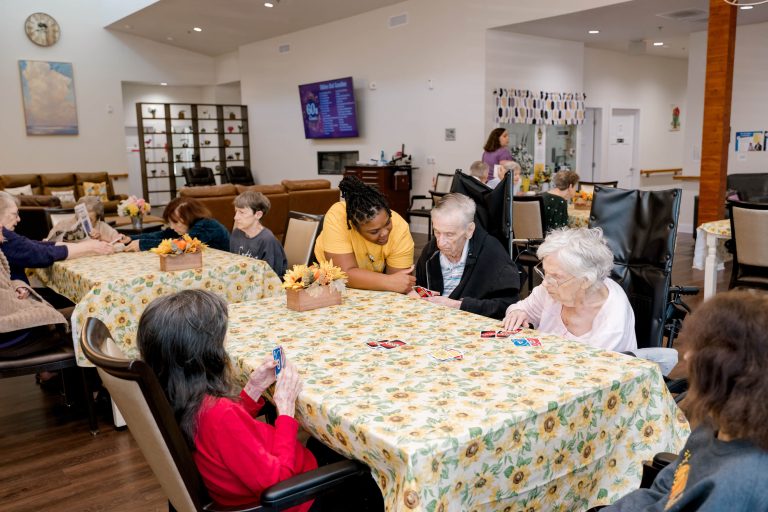
Gardening also promotes social interaction, as residents can collaborate and share their experiences, creating a supportive community. Ultimately, these activities enhance quality of life, making a positive impact on mental health and emotional stability. Engaging in group gardening activities fosters community and bonding among residents, further enriching their experience.
How to Engage Residents With Simple Gardening Activities
Engaging residents in simple gardening activities can be a rewarding experience for everyone involved. Start with easy tasks like planting seeds or watering plants. These activities promote interaction and give residents a sense of purpose.
You can create a small garden area where they can choose what to plant, fostering ownership and creativity. Consider organizing group sessions, allowing residents to share stories about their gardening experiences. This helps build connections and stimulates memories.
Using colorful pots or easy-to-handle tools can make the process enjoyable and accessible. Always celebrate their efforts, whether it’s a sprouted seed or a blooming flower. Incorporating structured activities can further enhance social engagement and cognitive stimulation.
These small victories not only enhance their confidence but also brighten their day, creating a nurturing environment that promotes engagement and joy.
How Can Nature Boost Emotional Well-Being?
While many people might overlook the impact of nature, it can greatly boost emotional well-being. Being surrounded by greenery and vibrant colors can lift spirits and reduce feelings of anxiety.
When you engage with nature, even through simple activities like watering plants or watching butterflies, you create moments of joy and connection. These small experiences can evoke fond memories and foster a sense of purpose.
Nature encourages mindfulness, allowing you to focus on the present and appreciate the beauty around you. By incorporating outdoor time into memory care routines, you not only enhance the emotional health of residents but also promote a nurturing environment that supports healing and happiness.
Embrace nature’s gifts and watch the positive transformation unfold. Additionally, engaging in regular physical activity can further enhance emotional well-being during these activities.
Creating a Sensory Garden for Memory Care
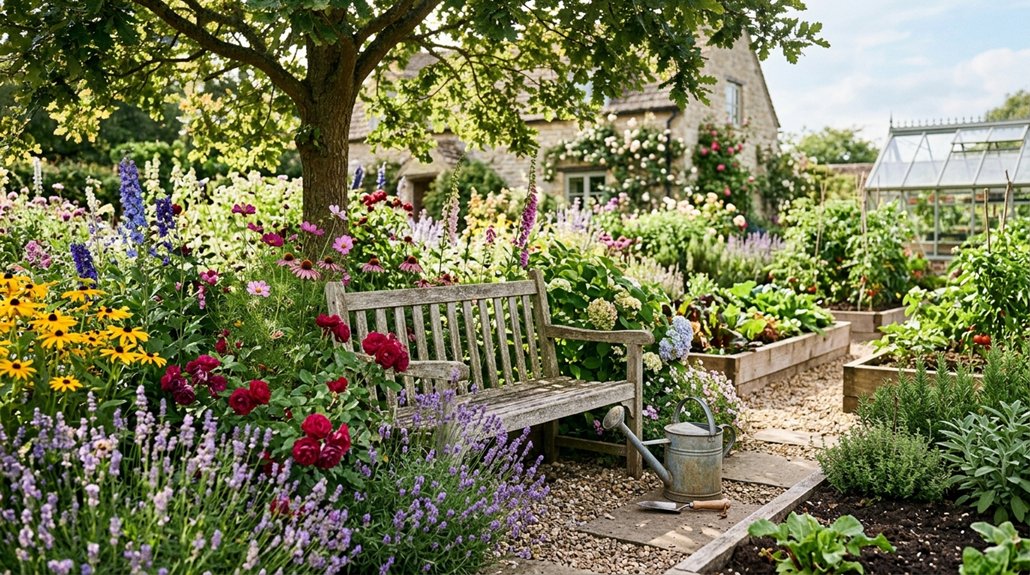
Focus on incorporating fragrant flowers, textured plants, and soothing sounds to create a calming environment. You can design pathways that are easy to navigate, allowing residents to explore at their own pace.
Consider using colorful decorations and wind chimes to stimulate sight and sound. Involving residents in planting and maintaining the garden fosters a sense of ownership and accomplishment.
Providing opportunities for tactile interaction—like soft leaves or rough bark—can spark memories and conversations.
Ultimately, a well-designed sensory garden not only beautifies the space but also enriches the lives of those living with memory challenges. Additionally, engaging in gardening activities can enhance cognitive stimulation and support emotional well-being through creative expression.
Choosing the Best Plants for Memory Care Residents
A sensory garden sets the stage for selecting the right plants that cater to the needs of memory care residents.
Choose plants with vibrant colors, like marigolds or petunias, to spark joy and engagement. Fragrant herbs, such as lavender or mint, provide soothing scents that can evoke pleasant memories.
Opt for tactile plants like lamb’s ear, which invites gentle touch and exploration. Consider low-maintenance options that thrive in your climate, ensuring residents can enjoy them without added stress.
Incorporating familiar, native plants can create a comforting environment, helping residents feel connected to their surroundings. Engaging in gardening activities can also promote a sense of community among residents, enhancing their overall well-being.
How to Involve Caregivers and Family in Gardening
Involving caregivers and family in gardening can greatly enhance the experience for memory care residents. Start by inviting them to participate in planning the garden layout. Encourage them to share their loved one’s favorite plants, creating a personal connection.
Organize regular gardening days where everyone can get hands-on, whether it’s planting, watering, or simply enjoying the fresh air together. Provide simple tasks that match the abilities of the residents, allowing family members to assist and engage.
Share stories and memories related to gardening to foster deeper connections. Finally, celebrate successes together, whether it’s the first bloom or a bountiful harvest, creating a sense of accomplishment and community for everyone involved. Engaging in gardening activities can cultivate empathy and understanding among all participants, enriching their relationships.
Inspiring Success Stories of Gardening in Memory Care
While many may underestimate the power of gardening in memory care settings, countless success stories highlight its profound impact. Residents often find joy in nurturing plants, leading to increased engagement and connection with caregivers.
One facility reported a resident, once withdrawn, who blossomed after joining a gardening group. She began to share stories about her childhood garden, sparking conversations that bridged gaps in memory.
Another success involved a community garden where families and residents collaborated, fostering bonds and creating lasting memories. These experiences not only enhance well-being but also instill a sense of purpose. Gardening becomes more than a task; it transforms lives, reminding everyone involved of the beauty of nature and the power of human connection in memory care.
Frequently Asked Questions
What Is the Best Time of Year for Gardening Activities?
Spring and early fall are the best times for gardening activities. You’ll find warmer temperatures and vibrant blooms, making it enjoyable. Plus, your efforts can foster connections and uplift spirits in those around you.
How Can Gardening Accommodate Different Physical Abilities?
Gardening can accommodate different physical abilities by using raised beds, container gardens, and adaptive tools. You can create accessible paths, ensuring everyone engages comfortably, fostering connection and enjoyment while nurturing plants together.
Are There Specific Tools Designed for Seniors?
Yes, there are specific tools designed for seniors. You’ll find ergonomic handles, lightweight materials, and adaptive grips that make gardening easier. These tools help enhance their experience, ensuring they can enjoy gardening comfortably and independently.
What Safety Precautions Should Be Considered for Gardening?
You should guarantee proper footwear to prevent slips, use lightweight tools to avoid strain, stay hydrated, and provide shade during hot weather. Regularly check for hazards like sharp objects or uneven ground to enhance safety.
How Often Should Gardening Activities Be Scheduled?
You should schedule gardening activities at least once a week. Consistency helps build routine and engagement, allowing participants to connect with nature and each other, fostering a sense of purpose and community in the process.