Why Calm Daily Routines Matter for Seniors Living With Dementia
Establishing calm daily routines is essential for older adults living with memory loss, including those experiencing dementia or Alzheimer’s disease. Predictable schedules can help reduce feelings of anxiety and confusion, thereby enhancing a sense of security for residents.
Consistent meal times, medication schedules, and structured activities are integral components of a daily routine. These practices not only assist in managing agitation but also encourage social interaction and cognitive engagement.
As you consider memory care options for your loved one, it is important to explore how these routines can contribute to safety, independence, and an improved quality of life. Each person’s experience with memory loss is unique; therefore, routines should be tailored to individual preferences, interests, and needs.
When evaluating memory care communities, you may want to ask about their approach to daily routines, the types of activities offered, and how they support residents’ unique life histories. Understanding these aspects can help you make a more informed decision about the best care setting for your loved one.
Key Takeaways
The Importance of Predictable Daily Routines for Seniors Living with Dementia
For families considering care options for a loved one living with dementia or memory loss, understanding the role of daily routines can significantly impact their well-being. Establishing predictable daily routines is essential as it can reduce confusion and anxiety, providing a structured environment that supports optimal functioning.
1. Reducing Confusion and Anxiety
A consistent daily routine creates a sense of familiarity that can help ease feelings of confusion and anxiety in older adults experiencing memory loss. By knowing what to expect throughout the day, residents may feel more secure and comfortable in their surroundings.
2. Promoting Meaningful Engagement
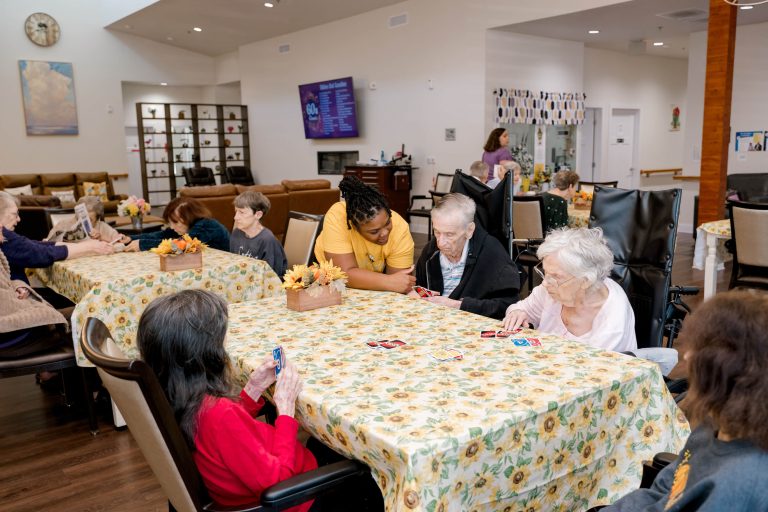
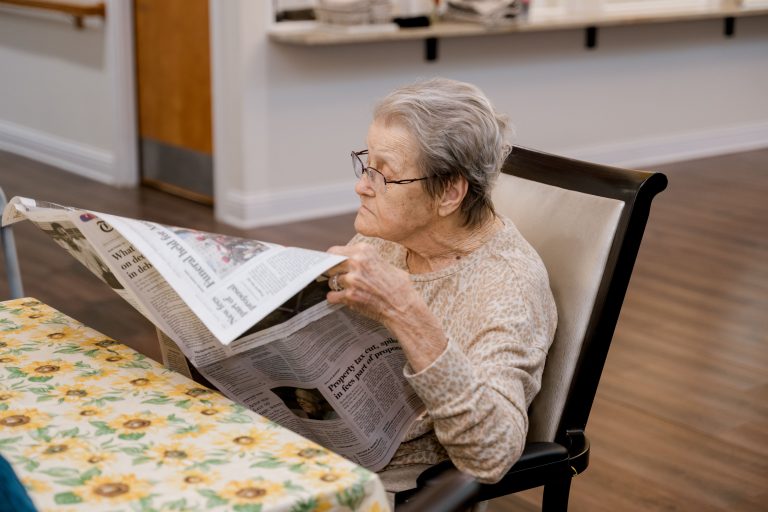
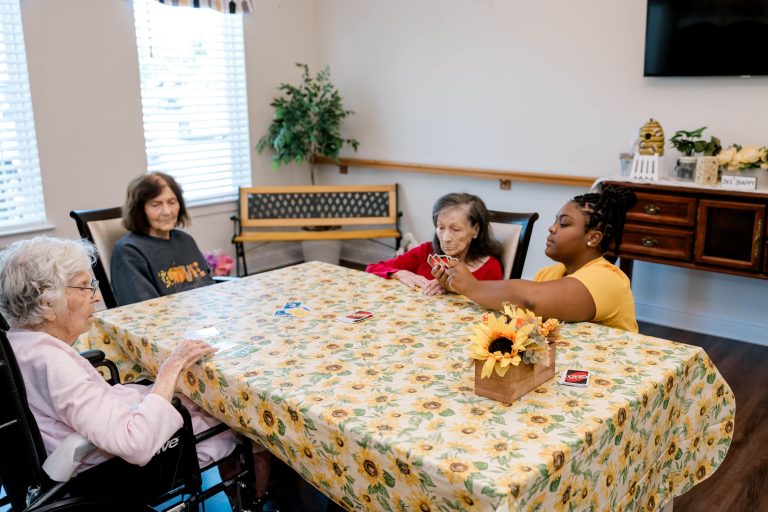
Structured activities are crucial for enhancing emotional well-being and providing a sense of purpose. Engaging residents in familiar tasks or hobbies can foster connections and help them feel valued. Activities that align with their interests and life history contribute to a fulfilling daily experience.
3. Managing Sleep Disturbances
Many seniors living with dementia experience sleep disturbances or sundowning, where confusion or agitation increases during the late afternoon or evening. A consistent daily schedule can help establish a stable sleep-wake cycle, promoting better rest and overall health.
4. Enhancing Safety and Independence
Familiar routines can enhance safety by breaking tasks into manageable steps, which may minimize the risk of accidents. By creating an environment that allows residents to participate in daily activities independently, families can support their loved one’s dignity and autonomy.
5. Allowing for Individual Flexibility
While routines are beneficial, it’s also important to maintain flexibility. Care settings can adapt daily schedules based on individual preferences and energy levels, ensuring that residents feel comfortable and supported. This person-centered approach fosters a nurturing environment that respects each individual’s unique needs.
When researching memory care options, families should look for communities that prioritize structured routines while also allowing for personal flexibility. It’s essential to consider how each community supports residents’ individual preferences, interests, and abilities, as the needs of people living with dementia can vary significantly. Asking about the daily schedule, types of activities offered, and how staff respond to changes in behavior or routine can help families make informed decisions that best support their loved ones.
The Importance of Predictable Schedules
Creating predictable schedules for older adults living with dementia can significantly enhance their daily experience and overall well-being. By establishing consistent times for meals, medication, bathing, and bedtime, you can help reduce confusion and anxiety. This structure minimizes the number of decisions they need to make throughout the day, which can lower stress levels and foster a sense of security. Familiar routines allow residents to understand what to expect next, encouraging greater participation in daily activities. Additionally, maintaining these schedules can support essential care tasks, such as eating and dressing, as predictability often encourages cooperation. By adhering to a routine, you may also help stabilize sleep patterns, contributing to improved overall health. Cholinesterase inhibitors can also be a part of the care plan to help manage cognitive function and enhance the benefits of a structured daily routine. Furthermore, familiar routines provide a sense of security, which is especially vital during winter months.
It’s important to approach scheduling with flexibility. Adapting routines to align with the individual’s energy levels and preferences is crucial. Gradual changes can be beneficial, as sudden shifts in routine may lead to increased confusion and agitation. As you research memory care options, consider how each community supports the development of predictable schedules and how they accommodate individual needs. Engaging with staff about their approach to routines can provide insight into how they prioritize the comfort and dignity of older adults experiencing memory loss.
Structured Activities to Reduce Agitation
Structured activities can play a vital role in enhancing the well-being of older adults living with dementia by providing meaningful engagement and fostering a sense of purpose. One effective approach is personalized music therapy, which can significantly benefit residents when familiar songs are used to strengthen emotional connections. Music therapy techniques tailored to individual resident needs can further enhance these benefits.
Incorporating sensory and creative activities, such as art projects or sorting tasks, can effectively redirect repetitive movements and engage residents in a manner that isn’t overwhelming. It’s essential to select activities tailored to each person’s past interests and abilities, promoting a sense of competence and minimizing frustration.
Gentle movement exercises, including stretching or dancing, can also support residents’ physical and emotional health. These activities should be specifically adapted to meet the mobility needs of each individual. Furthermore, non-pharmacological interventions have been shown to effectively reduce agitation in people with dementia, highlighting the importance of these structured activities.
Monitoring the effectiveness of these activities is important to ensure they remain calming and enjoyable. By creating a supportive environment that prioritizes individual preferences and routines, families and caregivers can help residents with memory care needs feel more comfortable and engaged in their daily lives.
When researching memory care options, consider the variety of activities offered and how they cater to the unique needs and interests of each resident. Understanding that individual experiences with dementia can vary widely will aid in finding a community that aligns with your loved one’s preferences and enhances their quality of life.
Managing Sleep and Sundowning With Routines
Establishing consistent daily routines can be highly beneficial for managing sleep disturbances and sundowning in older adults living with dementia. Creating regular schedules for waking, meals, and bedtime can help reinforce a stable sleep-wake cycle, which may reduce confusion and agitation. Research indicates that disordered circadian rhythms are linked to sundown syndrome, making a structured routine even more vital. Additionally, familiar routines can provide a sense of security, which is crucial for reducing anxiety levels.
To support a calming pre-bedtime routine, consider incorporating activities such as offering a caffeine-free beverage, assisting with toileting, helping them change into sleepwear, and playing gentle audio. Ensuring exposure to natural light in the morning can also help regulate the internal clock, encouraging sleepiness in the evening.
Incorporate calming pre-bedtime activities to promote relaxation and encourage sleepiness for older adults with dementia.
It is important to create a conducive sleep environment. Aim for a bedroom that’s cool, quiet, and dark, and consider using nightlights to ease any anxiety. Familiar activities at regular times can also help provide a framework for daily navigation, enhancing feelings of stability.
Additionally, be mindful to avoid prolonged naps and irregular mealtimes, as these factors can diminish nighttime sleep pressure and contribute to evening unrest.
By prioritizing these routines and creating a comforting atmosphere, family caregivers can foster better sleep patterns and help reduce symptoms associated with sundowning in their loved ones.
Remember that each person living with memory loss has unique needs and preferences, so adapting these suggestions to fit individual circumstances is key.
Enhancing Safety and Independence Through Familiarity
Creating familiar routines can greatly enhance safety and promote a sense of independence for older adults living with dementia. Establishing consistent schedules helps provide structure and predictability, which can assist them in recognizing daily tasks. For example, repeating specific sequences during dressing or grooming can clarify what comes next, thereby reducing confusion.
To further enhance safety, consider breaking complex tasks into manageable steps. This approach can minimize the risk of accidents during activities such as bathing or eating. Additionally, organizing frequently used items in visible and uncluttered spaces allows residents to complete tasks more easily. Consistency in timing and order of activities aids recognition and expectation, further supporting independence. Facilities should also ensure specialized training for staff in dementia care to effectively assist residents in maintaining their routines.
Adapting daily activities to align with their current abilities empowers older adults to maintain participation and choice, thereby preserving their dignity and independence in familiar environments.
Structured routines can make a meaningful difference in the lives of those living with memory loss. When researching memory care options, it’s vital to consider how communities incorporate routine and familiarity into their care practices, as this can significantly impact residents’ well-being and quality of life.
Supporting Health and Quality of Life With Regularity
Regular routines can significantly support the health and quality of life for older adults experiencing memory loss, including those living with dementia or Alzheimer’s disease. Establishing a consistent daily schedule helps provide the structure that many residents need for optimal functioning.
Having regular times for waking, meals, and activities can promote a balanced day-night cycle, which may help alleviate some of the sleep disturbances commonly associated with dementia. Predictable daily sequences can also reduce cognitive challenges and emotional fluctuations, particularly during times that might be more difficult, such as late afternoons. Engaging in group activities can further enhance emotional well-being and social interaction among residents.
Creating familiar routines for meals and personal care can enhance nutrition and hydration while fostering social connections during shared dining experiences. Additionally, incorporating regular physical and cognitive activities into the day can contribute to overall well-being, ensuring that residents engage in a variety of enriching experiences. Healthy habits can positively affect the risk and progression of dementia, making it essential to include them as part of daily routines.
By maintaining these routines, family members and caregivers can help create a supportive environment that allows older adults to thrive.
When considering memory care options, it’s essential to evaluate how each community supports regularity and individual preferences, as services and approaches can vary widely.
Organizing Caregiver Plans for Effective Daily Management
When exploring care options for a loved one living with dementia, establishing a structured caregiver plan can significantly enhance the quality of support provided.
Begin by developing a comprehensive care plan that details the individual’s cognitive, behavioral, and medical needs. Clearly define the responsibilities of family members and caregivers, including specific tasks, timing, and follow-up actions.
Develop a detailed care plan outlining cognitive, behavioral, and medical needs, along with defined caregiver responsibilities.
It’s important to maintain an updated medication list and ensure that all caregivers have access to this information. Incorporating daily routines can help reduce anxiety for individuals with dementia, creating a sense of predictability in their day-to-day life. Additionally, engaging in structured environments can further support their emotional well-being.
Keep track of any changes in behavior or emotional states, as this can aid in refining communication strategies and care approaches.
Incorporating safety measures is essential to reduce risks and prepare for potential emergencies.
Regularly reviewing the care plan allows for adjustments based on changes in health status or medication, ensuring that the care remains responsive to the individual’s evolving needs.
These organized strategies can empower family caregivers and foster a stable, nurturing environment for residents with memory care needs, enhancing their overall well-being and quality of life.
Frequently Asked Questions
How Can I Create a Calming Environment for Seniors With Dementia?
Creating a calming environment for older adults living with dementia can significantly enhance their comfort and well-being. Here are some practical strategies to consider while researching memory care options for your loved one:
- Limit Noise and Sensory Overload: Reducing background noise is crucial. Aim to minimize simultaneous sounds and create quiet spaces where residents can feel more at ease. Designating specific quiet areas in the community can provide a retreat from overstimulation.
- Optimize Lighting: Good lighting can have a positive impact on mood and safety. Use even, low-glare illumination and consider incorporating night-lights to ensure safe navigation during the evening hours.
- Establish Predictable Routines: Consistency can provide a sense of security for older adults experiencing memory loss. Developing daily routines for meals, activities, and personal care can help residents feel more settled and reduce anxiety.
- Create Calm Spaces: Designate areas within the community that are filled with comfortable seating and familiar objects. These spaces should encourage relaxation and provide opportunities for social interaction while maintaining a tranquil atmosphere.
- Organize and Declutter: Keeping living spaces organized and free of hazards is vital for safety and independence. A clutter-free environment can help reduce confusion and promote easier navigation for residents.
- Promote Comfort and Independence: Support residents in maintaining their dignity and autonomy by allowing them to engage in activities they enjoy and encouraging them to participate in daily tasks as much as possible.
When considering memory care options, it’s essential to recognize that each individual is unique, and their preferences and needs may vary.
As you evaluate potential communities, keep in mind that services and support systems differ, so it’s important to ask questions about specific offerings, staffing, safety measures, and engagement activities.
What Types of Music Are Most Soothing for Seniors With Dementia?
To create a soothing environment for older adults experiencing memory loss, it’s beneficial to focus on music that holds personal significance. Familiar melodies, especially those from their early life, can evoke positive memories and emotions.
Opt for slow, gentle instrumental pieces, as these tend to create a calming atmosphere. It’s advisable to avoid music with abrupt changes in volume or tempo, as this may be jarring.
Engaging residents with sing-alongs or familiar hymns can foster social interaction and enhance connection. It’s important to remain attentive to their responses; relaxed expressions often indicate comfort, while signs of distress might suggest a need to change the music selection.
Incorporating music into daily routines—such as during meals or bedtime—can help establish a sense of familiarity and calmness. Consistency is key, as predictable routines can provide comfort and security for individuals living with memory loss.
Families and caregivers should consider each person’s unique preferences and history when selecting music. What resonates with one person may not have the same effect on another.
How Can Caregivers Manage Their Own Stress While Providing Care?
Caring for a loved one with memory loss or cognitive conditions can be a rewarding yet challenging experience. It’s essential for family caregivers to prioritize their own well-being while providing the necessary support. Here are some practical strategies to help caregivers manage stress effectively:
- Incorporate Mindfulness Practices: Consider integrating short mindfulness exercises into your daily routine. Simple activities like deep breathing exercises or gentle stretching can help reduce stress and promote relaxation.
- Schedule Recovery Time: It’s important to allocate regular breaks, even if they’re brief, to recharge your energy. These moments of respite can help you maintain a balanced approach to caregiving.
- Build a Support Network: Sharing caregiving responsibilities with other family members can provide valuable support. Engaging with relatives or friends alleviates the burden and fosters a sense of community.
- Prioritize Health: Focus on maintaining a healthy lifestyle through adequate sleep, balanced nutrition, and physical activity. These factors can significantly enhance your resilience and overall well-being.
- Seek Professional Support: Don’t hesitate to reach out for professional assistance when needed. Counseling or support groups specifically designed for caregivers can offer coping strategies and help reduce feelings of isolation.
By implementing these strategies, family caregivers can create a more sustainable caregiving experience while ensuring their own health and well-being aren’t overlooked.
What Signs Indicate a Need to Change Established Routines?
As families and caregivers research memory care options for their loved ones, it’s important to recognize signs that may indicate a need to adjust established routines. Changes in behavior or emotional responses can often signal that a resident may require a different approach to their daily activities or care.
For instance, if familiar activities are leading to increased agitation or confusion, it may be time to reassess those routines. Observing withdrawal from social interactions, unusual mood swings, or challenges in following requests can also be indicators of unmet needs.
Restlessness, wandering, or pacing may suggest that the individual isn’t comfortable or that their needs aren’t being fully addressed. Additionally, changes in sleep patterns or appetite can be crucial signs that adjustments may be necessary to support the resident’s well-being.
Furthermore, any sudden health issues, such as confusion or difficulty with mobility, should prompt an immediate review of current routines. Ensuring safety and comfort is paramount, and it’s essential to consider how daily activities align with the individual’s preferences and past experiences.
When evaluating memory care options, families should keep in mind that each person’s journey with memory loss is unique. Individual needs may evolve over time, and fostering a supportive environment that respects the individual’s dignity and encourages meaningful engagement is vital.
How Can I Encourage Family Involvement in Daily Routines for Seniors?
Encouraging family involvement in daily routines for older adults experiencing memory loss can enhance their quality of life and provide meaningful engagement. Here are some practical strategies to facilitate this involvement:
- Assign Roles Based on Strengths: Identify individual family members’ strengths and interests to assign specific roles in daily care routines. For example, one family member might enjoy cooking and can assist with meal preparation, while another might be more comfortable helping with personal care tasks. This thoughtful delegation can make family members feel more connected and invested in the care process.
- Create a Written Schedule: A clear, written schedule can help outline daily tasks and activities, ensuring that everyone understands their responsibilities and the routines that work best for the person living with memory loss. This can also help reduce anxiety for both seniors and family members by providing structure to the day.
- Engage in Enjoyable Activities Together: Incorporate activities that family members and residents can enjoy together, such as gardening, playing music, or engaging in arts and crafts. These shared experiences can strengthen family bonds and create a joyful atmosphere that respects the individual’s preferences and abilities.
- Maintain Open Communication: Encourage open and supportive communication among family members and with the resident. This allows for discussions about preferences, concerns, and any changes in behavior or needs. By fostering a collaborative environment, family caregivers can better support the older adult’s choices and comfort.
- Respect Individual Preferences: Every person living with memory loss has unique preferences and needs. Ensure that routines reflect their life history and interests, allowing them to maintain a sense of identity and dignity. Providing choices about daily activities can also enhance their independence.