Why Gentle Activities Matter for Seniors Living With Dementia
Gentle activities are vital for older adults living with dementia, providing a range of benefits that can significantly enhance their overall well-being. Engaging in light physical exercises, such as walking or stretching, can help improve cognitive function and uplift mood. Additionally, tailored programs, such as music therapy, may reduce feelings of anxiety and foster social connections among residents.
Understanding how these gentle activities affect the quality of life for individuals experiencing memory loss can guide family members and caregivers in developing effective support strategies. It is important to consider the specific activities that can truly make a difference in the lives of older adults living with dementia.
When exploring memory care options, families should look for communities that offer a variety of gentle activities tailored to the unique needs and preferences of their loved ones. Engaging in familiar routines and activities that resonate with the individual’s life history and interests can promote a sense of belonging and purpose.
Moreover, it is essential to recognize that each person living with dementia has different abilities, behaviors, and care needs. Therefore, families should inquire about the specific gentle activities offered, as well as the flexibility of programs that accommodate individual preferences and changing needs over time.
In summary, gentle activities can play a crucial role in the lives of older adults living with dementia. By prioritizing person-centered care and considering the unique needs of each resident, families can help ensure their loved ones experience meaningful engagement and enhanced quality of life in memory care communities.
Key Takeaways
Gentle activities play a significant role in supporting the well-being of older adults living with memory loss, including those experiencing conditions like dementia or Alzheimer’s disease. Here are some important considerations regarding the benefits of these activities:
- Cognitive Engagement: Participating in gentle activities can enhance cognitive function, which may improve attention and memory performance. Engaging seniors in stimulating tasks can help maintain their mental agility and support memory retention.
- Emotional Well-Being: Structured activities can help alleviate symptoms of depression and anxiety, contributing to better emotional health. Family caregivers may notice that when residents engage in enjoyable activities, they tend to exhibit more positive moods and improved overall emotional well-being.
- Social Connection: Gentle activities provide opportunities for social interaction, fostering a sense of belonging and identity among older adults. This social engagement is vital for maintaining connections with others and can help reduce feelings of isolation.
- Physical Health and Independence: Tailored exercise programs designed for seniors can enhance physical health and promote independence in daily tasks. These activities may help improve mobility, strength, and overall physical well-being, enabling older adults to perform daily activities with greater ease.
- Quality of Life: Meaningful and enjoyable activities contribute to a higher quality of life for seniors living with memory loss. Family members can look for communities that prioritize person-centered activities that align with individual preferences and life histories.
When exploring memory care options, it’s essential to consider how a community incorporates gentle activities into its programming. Families may want to ask about the types of activities available, their frequency, and how they are tailored to the interests and abilities of residents. This information can help ensure that the care setting supports the unique needs of their loved one, promoting both engagement and well-being.
Cognitive and Functional Benefits of Gentle Physical Activity
Engaging in gentle physical activity can play a significant role in enhancing cognitive function and daily living skills for older adults experiencing memory loss, including those living with dementia.
Research indicates that consistent, gentle exercise may improve global cognition, especially in areas like executive function and attention. Activities such as walking or light stretching can support memory performance, making it easier for seniors to recall events and learn new information. Furthermore, studies show that physical activity can reduce the risk of cognitive decline, emphasizing its importance for maintaining brain health. Additionally, regular exercise helps improve cardiovascular health, which is crucial for overall well-being.
Consistent, gentle exercise enhances cognitive function in seniors, aiding memory recall and learning through activities like walking and stretching.
Incorporating gentle, multimodal exercise programs can also enhance functional capacity, assisting residents with daily tasks such as dressing and bathing. Tailored programs may lead to measurable improvements in activities of daily living, promoting a greater sense of independence for older adults.
For families considering memory care options, it’s important to recognize the benefits of integrating gentle physical activity into a resident’s daily routine. These activities not only contribute to cognitive and functional improvements but also foster overall well-being and quality of life.
When evaluating memory care communities, you may want to inquire about the availability of exercise programs, the types of activities offered, and how these align with the individual preferences and needs of your loved one. This approach ensures that your family member receives person-centered support that honors their dignity and promotes meaningful engagement.
Emotional and Behavioral Outcomes of Gentle Activities
Gentle activities can significantly enhance the emotional and behavioral well-being of seniors living with dementia, especially when these activities are tailored to their individual preferences and needs. Engaging in music therapy or reminiscence activities may help reduce symptoms of depression and anxiety, creating a greater sense of well-being. You might observe that such interventions not only uplift mood but also help lower agitation and improve overall quality of life. For example, structured and meaningful activities can help manage anxiety and even lead to better sleep quality. Research indicates that non-facilitated activities such as music and reminiscence can have positive effects on agitation, emotional well-being, and sleep quality. By ensuring that these activities are personalized and interactive, the benefits can be even more pronounced. Incorporating music therapy techniques that resonate with each individual resident allows for the creation of an environment that promotes emotional calmness, reduces behavioral distress, and enriches their daily experiences. As you explore memory care options, consider the range of activities offered and how well they align with the interests and needs of your loved one. Engaging in gentle activities is just one aspect of providing comprehensive, person-centered care that honors each individual’s unique journey with memory loss.
Social Connection and Identity Through Gentle, Enjoyable Activities
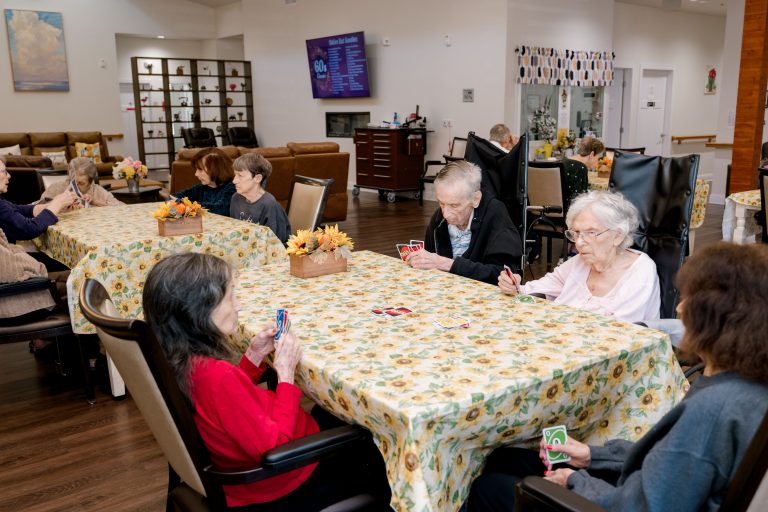
Participating in social activities can significantly enhance the sense of identity and belonging for older adults experiencing memory loss. These interactions help foster connections that go beyond their diagnosis. Engaging in gentle community activities, such as walking groups, art classes, or memory cafés, provides valuable opportunities for seniors to interact with others who share similar experiences. These settings not only support communication but also encourage participation, reinforcing their identity beyond any labels associated with their condition. Additionally, meaningful activities like creating a personalized photo album or hosting a movie night can promote deeper connections and joy.
Incorporating everyday tasks, like folding laundry or light gardening, can offer meaningful roles that affirm an individual’s contributions to family and community life. These activities can help residents feel valued and connected to their surroundings. Furthermore, engaging in activities can enhance emotional well-being, helping to reduce anxiety and increase happiness.
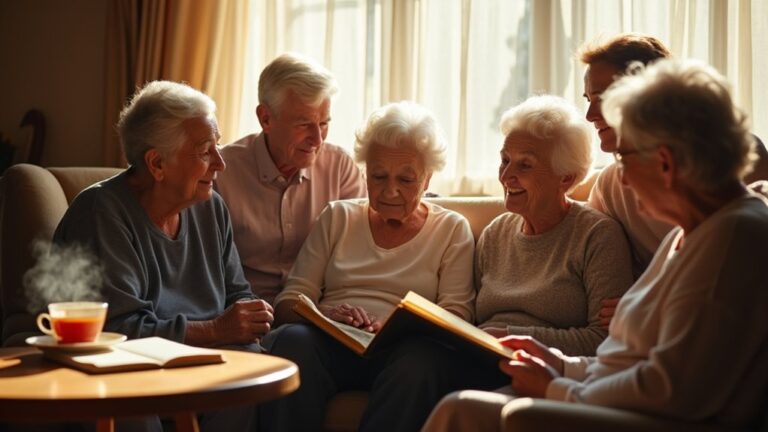
Additionally, reminiscence activities—such as sharing stories or looking through photo albums—can strengthen a senior’s sense of self, nurture social bonds, and reduce feelings of isolation within a supportive environment. Creating a warm and inviting atmosphere during these activities can further enhance the experience and encourage participation.
When researching memory care options for a loved one, consider communities that prioritize social engagement and person-centered activities. Look for settings that offer a variety of programs tailored to individual interests, abilities, and preferences. Ask questions about the types of social activities available and how they’re integrated into the daily routine. Understanding the emphasis a community places on fostering social connections can help ensure that your loved one receives care that respects their dignity and promotes a fulfilling life.
Safety and Adaptation in Gentle Activity Engagement
When exploring safe activity engagement for older adults living with memory loss or dementia, it’s essential to focus on their well-being and enjoyment. Gentle activities can promote physical and emotional health, and it’s advisable to start with short sessions, gradually increasing duration and intensity to prevent overexertion. Regular physical activity is crucial for maintaining brain health and can help slow cognitive decline. Engaging in activities like music or crafts can also provide mental stimulation and enhance the overall quality of life for individuals with dementia.
Always consult with a healthcare professional before beginning any new activities, especially for individuals with prior health concerns. Incorporating warm-up and cool-down routines is beneficial, as is ensuring that individuals stay well-hydrated and appropriately dressed for the activity. Creating a safe environment is also critical. This involves removing trip hazards and ensuring stable supports are available. To minimize the risk of falls, it’s helpful to limit multitasking during movements and consider supervised settings where necessary. Activities should be adapted to suit individual needs, with simple instructions and familiar routines to enhance understanding and participation. By implementing these safety measures, family members and caregivers can foster a supportive atmosphere that encourages older adults to engage in gentle activities with confidence and joy.
When researching memory care options, consider how these practices align with the services and support offered by different communities. Each community may vary in its approach to activity engagement and safety, so it’s important to ask specific questions about their policies, staffing, and the types of activities available to ensure they meet the unique needs of your loved one.
Enhancing Quality of Life Through Gentle Activities
Engaging in gentle activities can significantly improve the quality of life for older adults living with dementia. These activities not only contribute to physical health but also support emotional well-being and social connections. By integrating enjoyable and meaningful experiences, such as reminiscence-based music therapy, families and caregivers can help alleviate symptoms of depression and enhance mood. Moreover, incorporating art activities into their routine can provide an additional outlet for self-expression and connection.
Participating in group discussions, games, and puzzles can stimulate cognitive function, which may enhance memory and problem-solving abilities. Regular light exercise is also beneficial, as it promotes mobility and independence, allowing seniors to maintain their daily routines and activities. Research indicates that positive mood and engagement in enjoyable activities are essential for good QOL, underscoring the importance of such interventions.
These gentle interventions create valuable opportunities for social interaction, fostering a sense of purpose and belonging among residents. By encouraging participation in such activities, families can help uplift the spirits of older adults living with memory loss, contributing positively to their overall well-being.
When exploring memory care options, consider how different communities incorporate activities that align with individual preferences and interests. It’s important to recognize that each person living with dementia has unique abilities and needs that may evolve over time.
Therefore, engaging in discussions with community staff about their approach to activities, the types of programs offered, and how they adapt to residents’ changing needs can be helpful in making an informed decision for your loved one.
Frequently Asked Questions
What Types of Gentle Activities Are Best for Seniors With Dementia?
Gentle activities for older adults living with dementia can play a vital role in enhancing their quality of life and promoting engagement. Here are some effective activities that can be easily integrated into daily routines:
- Short walks or stair walking: These activities can help improve mobility and encourage physical movement, which is important for overall well-being.
- Seated exercises: Gentle exercises such as marching in place, heel raises, and arm lifts can enhance balance and strength while allowing residents to remain seated, making them more accessible.
- Music-based movements: Engaging in rhythmic marching or simple dance steps can boost coordination and provide a joyful experience. Music often has a positive impact on mood and memory.
- Reminiscence activities: Utilizing familiar photos or songs can spark memories and facilitate meaningful conversations, helping residents connect with their past experiences.
- Art and crafts: Tailored art projects can offer a non-verbal outlet for expression, allowing older adults to engage creatively according to their individual abilities.
These activities not only promote physical engagement but also support emotional connections, helping residents maintain a sense of independence and dignity.
It’s important for family members and caregivers to observe individual preferences and adapt activities accordingly, as each person’s experience with dementia is unique and may change over time.
As you research memory care options for your loved one, consider how these gentle activities can be incorporated into the care setting you choose.
Look for communities that prioritize person-centered care, offer a variety of engagement opportunities, and foster an environment where older adults can thrive emotionally and physically.
How Often Should Seniors Engage in Gentle Activities?
Seniors can benefit greatly from engaging in gentle activities on most days of the week. Aiming for at least 150 minutes of moderate-intensity activity each week can promote physical and cognitive health. To make this more manageable, consider breaking the activity into shorter sessions of 10 to 20 minutes throughout the day. This approach helps to avoid fatigue while still achieving health benefits.
Incorporating a variety of exercises is important. A mix of aerobic, strength, balance, and flexibility exercises can enhance overall well-being. These activities not only support physical health but also contribute to mental engagement, which is particularly beneficial for older adults experiencing memory loss or cognitive changes.
When considering activities for a loved one living with dementia or memory loss, it’s essential to keep their individual preferences and abilities in mind. What works for one person may not be suitable for another, and needs can change over time. Familiar routines and meaningful engagement in activities that resonate with their interests can foster a sense of comfort and dignity.
As you explore care options, remember that not all memory care communities will provide the same services or activities. It may be helpful to ask about the types of physical activities offered, the qualifications of staff leading them, and how these activities are tailored to meet the needs of residents.
Additionally, consider the overall environment of the community and how it supports active living for its residents. Ultimately, the goal is to support your loved one in maintaining their independence and enhancing their quality of life through gentle, enjoyable activities that fit their unique needs and preferences.
Can Family Members Join in Gentle Activities?
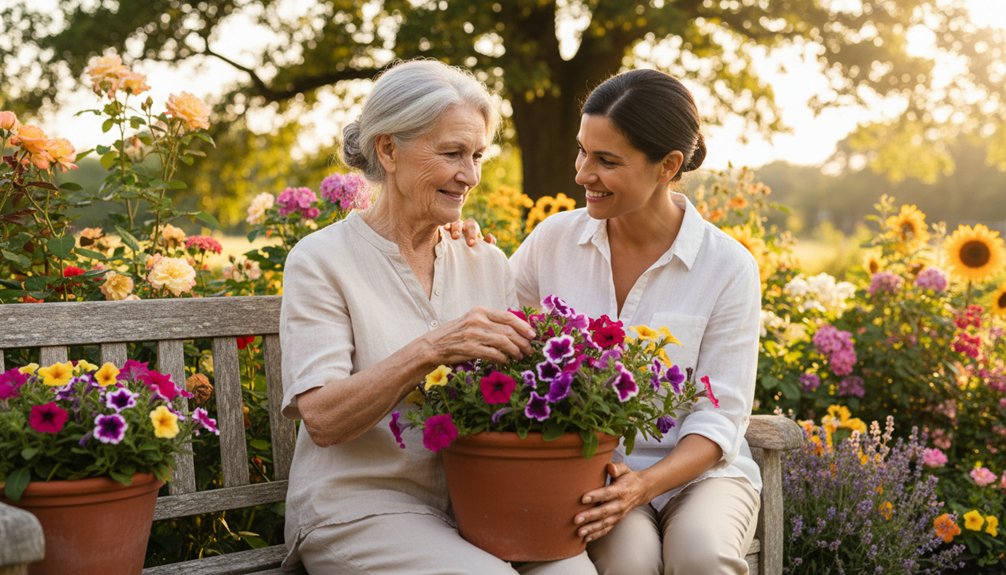
Family members can actively participate in gentle activities with their loved ones living with memory loss, which can be a beneficial aspect of care. Engaging in these shared experiences fosters emotional connections and reinforces a sense of identity. Activities such as looking through photo albums, baking together, or tending to a garden can provide meaningful interactions that enhance overall well-being.
Participating in gentle activities not only promotes social engagement but also helps reduce feelings of isolation that many older adults may experience. These moments create opportunities for communication, allowing family members and their loved ones to connect in a supportive environment.
When considering memory care options, it’s important to recognize that individual needs can vary widely among residents. Activities should be tailored to align with personal preferences and capabilities, ensuring that engagement is both enjoyable and beneficial. Families should inquire about the types of activities offered in a community and how they adapt to the changing needs of residents.
By involving family members in these gentle activities, you can contribute to the emotional well-being of your loved one while enriching the care experience for everyone involved.
Remember to explore communities that prioritize person-centered care, focusing on familiar routines and individual interests to enhance quality of life for older adults experiencing memory loss.
Are There Any Risks Associated With Gentle Physical Activity?
Yes, engaging in gentle physical activity can carry certain risks, especially for older adults or those living with memory loss. It’s important to be aware of these risks to ensure a safe and beneficial experience. Potential concerns include:
- Fall Risk: Poor balance or environmental hazards may increase the likelihood of falls. Ensuring that the environment is safe and free from obstacles can help mitigate this risk.
- Overexertion: Even gentle activities can lead to fatigue or injury if not approached mindfully. It’s essential to listen to the body and take breaks as needed.
- Medical Complications: Individuals with specific medical conditions or those taking certain medications may experience complications during physical activity. Always consult with a healthcare professional to tailor an exercise program that suits the individual’s health status.
To promote a safe and enjoyable experience, consider the following tips:
- Monitor Hydration: Keeping hydrated is crucial, especially during physical activities.
- Rest Breaks: Encourage regular breaks to prevent fatigue and allow for recovery.
- Choose Appropriate Activities: Select activities that are light and allow for comfortable breathing, keeping in mind the individual’s interests and preferences.
Before initiating any exercise program or introducing new activities, it’s advisable for family members and caregivers to consult with healthcare professionals. This is particularly important for those caring for residents with multiple health concerns or mobility limitations.
How Can Caregivers Encourage Participation in Gentle Activities?
To encourage participation in gentle activities for residents in memory care settings, it’s beneficial to start by identifying familiar tasks that resonate with their past interests, such as gardening or basic crafts.
Establishing a routine can help create a sense of structure and predictability, which is often comforting for individuals experiencing memory loss.
When introducing activities, consider breaking them down into small, manageable steps. Use clear and supportive prompts, such as “Let’s take a short walk,” and be ready to offer assistance when necessary, while allowing the person to maintain as much independence as possible.
Engaging actively with them during the activity is crucial; providing praise and encouragement can significantly boost their confidence.
Creating a calm environment is also essential, as it can enhance focus and participation.
Remember that each person’s experience with memory loss is unique, and their preferences and abilities may change over time. It’s important to remain flexible and responsive to their individual needs to ensure that activities remain enjoyable and meaningful.